
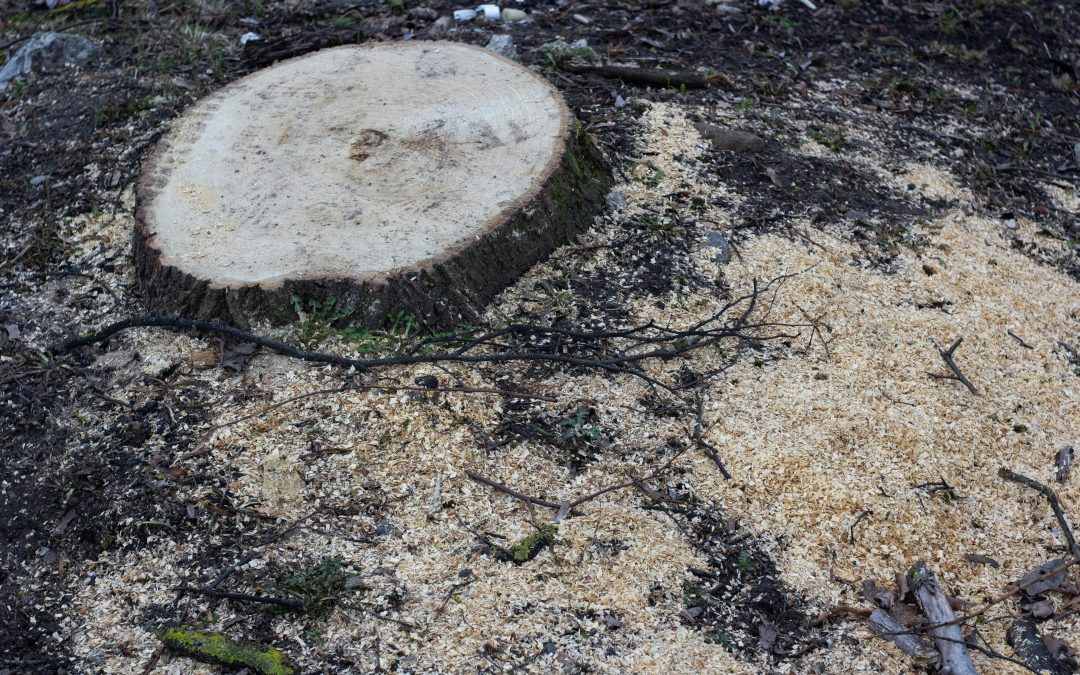
So you’ve removed a tree stump from your yard—great! But now you might be wondering, what happens to roots after stump removal? Do they just disappear? Will new trees grow from them? Can they mess with your landscaping?
These are common questions, especially for homeowners dealing with stubborn roots under the surface. In this post, we’ll break down what really happens to roots after stump removal and what (if anything) you need to do next.
Let’s dig in.
Do Tree Roots Die After the Stump Is Removed?
In most cases, yes. When you remove the stump, especially if the tree has been completely cut down and no foliage remains, the roots no longer have a way to get energy. Trees need their leaves to photosynthesize, so once the stump and trunk are gone, the root system usually begins to die off naturally.
However, this process isn’t instant—it can take several years for large root systems to fully decompose underground.
What Happens to the Roots Over Time?
After stump removal, the remaining roots go through one of these typical processes:
1. They Decompose Naturally
Most roots just begin to rot. As they decompose, they slowly break down and become part of the soil again. This is the most common outcome and usually doesn’t require any intervention.
However, while decomposing, the roots can:
- Attract insects like ants or termites
- Cause soft spots in the yard as they break down
- Lead to small sinkholes if there are a lot of large roots near the surface
2. They Might Sprout New Growth (In Some Cases)
In some cases, especially with aggressive or invasive tree species like willows, poplars, or mulberries, the roots might send up new shoots even after stump removal. These are called “suckers.”
Suckers are small shoots that try to grow new trees from leftover roots. While this doesn’t always happen, it’s something to watch out for if the tree was known for fast growth or spreading.
If you see suckers:
- Cut them off at ground level as soon as they appear
- Apply a root-killing herbicide if they’re persistent
- Consider grinding or treating the roots directly if regrowth continues
3. They Might Interfere with New Landscaping
If you plan to plant a garden, install a patio, or lay down sod where a tree once stood, leftover roots can sometimes get in the way.
They can:
- Block digging efforts
- Prevent proper drainage
- Take up space and nutrients that new plants need
In this case, you might want to dig out as many large surface roots as possible or use a root cutter tool to break them up manually.
Should You Remove the Roots Too?
Good question. It depends on your goals:
- If you’re just clearing the yard and don’t plan to plant anything soon, it’s usually fine to leave the roots to decompose naturally.
- If you’re planting something in the same spot, like grass or another tree, it’s a good idea to remove major surface roots to give your new plants room to grow.
- If the tree was diseased, consider removing more of the root system to prevent the disease from spreading to nearby trees.
Keep in mind that full root removal can be expensive and labor-intensive, especially for mature trees with widespread systems.
Can You Speed Up Root Decomposition?
Yes! If you’d like the roots to break down faster, here are a few tips:
- Drill holes into the remaining roots and pour a nitrogen-rich fertilizer or compost in. This encourages microbial activity.
- Keep the area moist—moisture helps speed up decomposition.
- Cover the area with mulch or topsoil to create a more favorable environment for root breakdown.
Over time, nature will do the rest.
Final Thoughts
So, what happens to roots after stump removal? Most of the time, they slowly decay underground and eventually disappear without causing much trouble. In some cases, you might see new shoots or encounter issues with landscaping, but for many homeowners, it’s a “remove the stump and let the rest be” situation.
If you’re planning a big yard project or worried about regrowth, it’s worth keeping an eye on the area. Otherwise, give the roots time—they’ll return to the soil naturally and quietly.
Got an old stump in your yard? Now you know what’s going on underneath!