
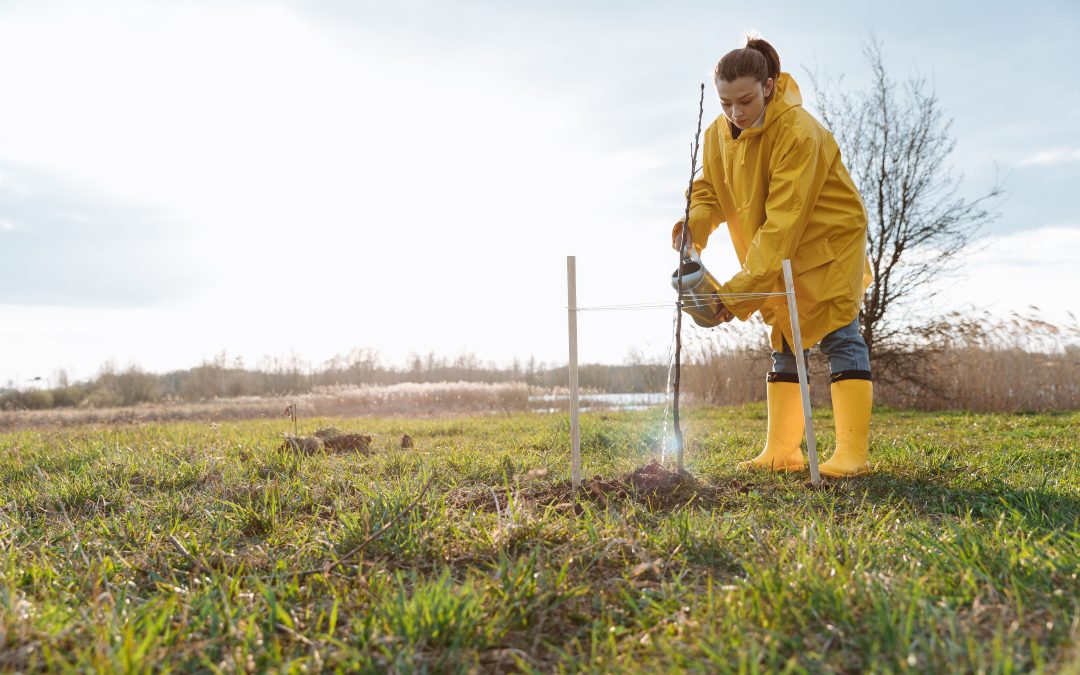
Planting a tree is one of the most rewarding things you can do for your yard. Trees add beauty, provide shade, improve air quality, and can even increase property value over time. However, planting at the right time is just as important as choosing the right tree.
If you’ve ever wondered about the best time of year to plant trees, you’re not alone. Timing can have a major impact on how well a tree establishes its roots and adapts to its new environment. While trees are resilient, giving them the best possible start increases their chances of thriving for decades.
According to the Arbor Day Foundation, properly planted and well-maintained trees can provide environmental benefits such as cleaner air, reduced stormwater runoff, and cooler outdoor temperatures. Starting with the right planting season helps maximize those long-term benefits.
Let’s look at when to plant trees and how to give them the strongest possible start.
Why Timing Matters When Planting Trees
A newly planted tree needs time to establish its root system before facing environmental stress like extreme heat or freezing temperatures.
During the first year after planting, much of the tree’s energy goes into developing roots rather than producing new leaves or branches.
When planted during favorable conditions, trees can:
- Develop stronger root systems
- Absorb water more efficiently
- Adapt to local soil conditions
- Experience less transplant shock
- Grow more vigorously in future seasons
Choosing the best time of year to plant trees gives your investment the highest chance of long-term success.
Fall Is Often the Ideal Planting Season
For many regions, fall is widely considered the best season for planting trees.
As temperatures cool, trees naturally slow their above-ground growth while roots continue developing in the relatively warm soil.
This allows trees to become established before spring arrives.
Benefits of fall planting include:
- Cooler temperatures reduce stress.
- More consistent rainfall supports root growth.
- Lower evaporation helps retain soil moisture.
- Trees have several months to establish roots before summer heat.
Many arborists recommend planting from early fall until several weeks before the ground freezes.
Spring Is Another Excellent Option
If you miss the fall planting season, spring is usually the next best choice.
Planting in early spring allows trees to begin growing as temperatures gradually warm.
Spring planting works especially well for:
- Flowering trees
- Fruit trees
- Evergreen species in colder regions
- Newly purchased nursery stock
The key is planting before hot summer weather arrives.
Once temperatures become consistently high, newly planted trees require much more frequent watering.
Summer Planting Can Be Challenging
Although it’s possible to plant trees during summer, it requires extra attention.
High temperatures increase water loss through leaves while drying out the soil much faster.
If summer planting is unavoidable:
- Water deeply several times each week.
- Apply mulch around the base.
- Avoid fertilizing immediately.
- Monitor for signs of heat stress.
- Plant during cooler morning or evening hours.
Container-grown trees generally adapt better to summer planting than bare-root trees.
Winter Planting Depends on Your Climate
Winter planting works well in some mild climates where the ground rarely freezes.
In warmer regions, dormant trees can establish roots throughout much of the winter season.
However, areas with frozen soil make digging difficult and root growth nearly impossible until spring returns.
Local climate should always guide your planting schedule.
Different Tree Types Have Different Needs
Not every tree follows the exact same planting schedule.
Deciduous Trees
Trees that lose their leaves each year often perform best when planted during fall or early spring while dormant.
Examples include:
- Maple
- Oak
- Birch
- Elm
- Ash
Dormant planting reduces transplant shock.
Evergreen Trees
Evergreens continue holding their needles throughout the year.
They usually establish best during early fall or spring while temperatures remain moderate.
Examples include:
- Pine
- Spruce
- Fir
- Cedar
Adequate watering is especially important during the first growing season.
Fruit Trees
Most fruit trees benefit from planting during late winter or early spring before active growth begins.
This gives roots time to establish before flowering and fruit production.
Soil Conditions Matter Too
Even during the ideal planting season, poor soil conditions can affect success.
Before planting:
- Test soil drainage.
- Remove rocks and debris.
- Loosen compacted soil.
- Add compost if needed.
- Avoid planting in waterlogged areas.
Healthy soil supports stronger root development and better long-term growth.
Proper Planting Is Just as Important as Timing
Knowing the best time of year to plant trees is only part of the process.
Correct planting techniques make an equally important difference.
Remember to:
- Dig a hole two to three times wider than the root ball.
- Keep the root flare slightly above ground level.
- Backfill with existing soil unless amendments are necessary.
- Water thoroughly after planting.
- Add two to three inches of mulch while keeping it away from the trunk.
Avoid piling mulch directly against the bark, sometimes called a “mulch volcano,” because it can encourage rot and pest problems.
Watering Helps Trees Settle In
Newly planted trees need consistent moisture.
Most young trees benefit from deep watering once or twice each week during the first growing season, depending on rainfall and soil type.
Deep watering encourages roots to grow downward rather than staying close to the surface.
After the first year, many established trees require much less supplemental watering.
Common Planting Mistakes to Avoid
Even experienced gardeners occasionally make mistakes.
Some of the most common include:
- Planting too deeply
- Watering too little or too much
- Choosing the wrong tree for the location
- Ignoring sunlight requirements
- Skipping mulch
- Planting during extreme heat
Avoiding these mistakes gives your tree a much stronger start.
Long-Term Benefits of Planting at the Right Time
Trees planted during favorable seasons often establish faster and require less maintenance later.
Healthy trees provide many long-term advantages, including:
- Cooler outdoor spaces
- Improved air quality
- Wildlife habitat
- Increased curb appeal
- Better stormwater management
- Potential energy savings through shade
A little planning today can provide benefits for decades.
Conclusion
Understanding the best time of year to plant trees helps ensure your new tree grows healthy, strong, and resilient. For most climates, fall offers the ideal conditions because cooler temperatures and steady moisture encourage root development before winter. Spring is another excellent option, especially for those who miss the fall planting window.
By combining proper timing with correct planting techniques, regular watering, and ongoing care, you’ll give your tree the best possible chance to thrive. Whether you’re planting a shade tree, flowering tree, or fruit tree, choosing the right season is one of the smartest steps you can take for long-term success.