
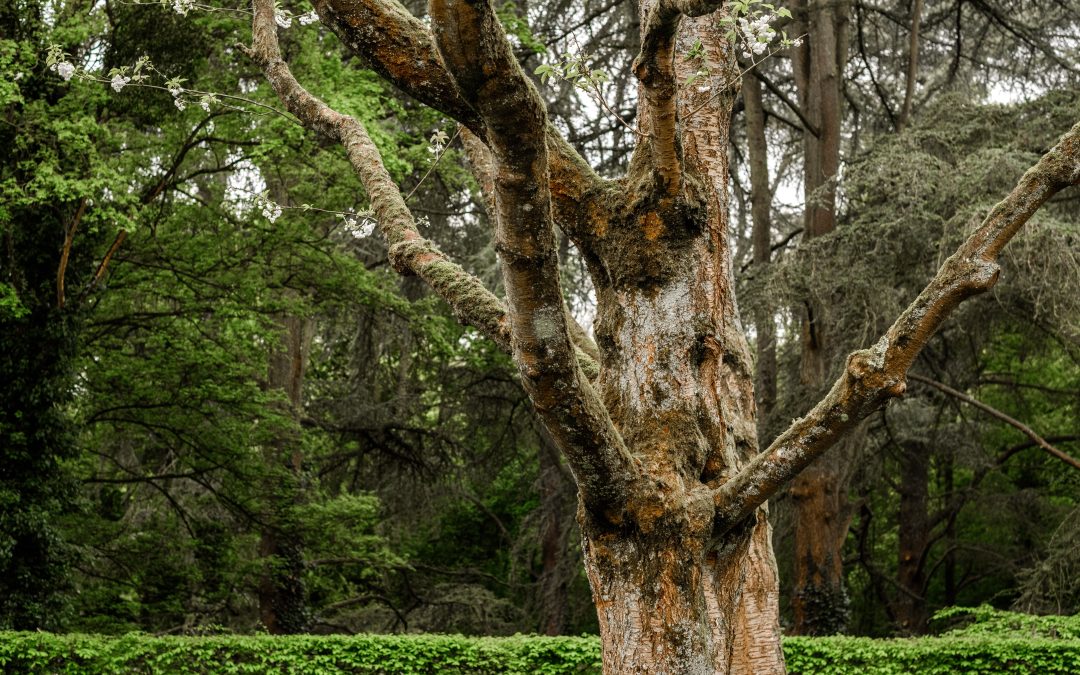
Trees add beauty, shade, and value to your property, but like any living thing, they can become sick. The challenge is that tree diseases often develop slowly, making it easy to overlook the early symptoms. By the time obvious damage appears, the tree may already be under significant stress. The good news is that recognizing the warning signs early can improve the chances of saving the tree and preventing the problem from spreading.
If you’ve been searching for the warning signs of a diseased tree, understanding what to look for is the first step. From unusual leaf discoloration to cracks in the trunk, many symptoms indicate that something isn’t quite right. Early action can protect not only the affected tree but also nearby plants and trees.
According to the U.S. Department of Agriculture (USDA) Forest Service, healthy trees play an important role in improving air quality, reducing stormwater runoff, and supporting wildlife. Keeping your trees healthy benefits both your landscape and the surrounding environment.
Let’s explore the most common signs that a tree may need attention.
Why Tree Health Matters
Healthy trees provide much more than curb appeal. They offer shade, reduce soil erosion, improve property value, and create habitats for birds and beneficial insects.
When a tree becomes diseased, it may weaken structurally, making it more vulnerable to storms, pests, and branch failure. In some cases, diseases can spread to nearby trees if left untreated.
Regular inspections help identify problems before they become severe.
Discolored or Wilting Leaves
One of the earliest warning signs of a diseased tree is a noticeable change in the leaves.
Watch for:
- Yellowing leaves during the growing season
- Brown or black spots
- Premature leaf drop
- Wilting despite adequate watering
- Leaves that appear smaller than normal
While some discoloration may result from drought or nutrient deficiencies, persistent symptoms could indicate disease.
Dead or Dying Branches
Healthy trees produce new growth each year.
If several branches remain bare while the rest of the tree has healthy foliage, disease or internal damage may be affecting the tree.
Dead branches often:
- Snap easily
- Lose their bark
- Produce no leaves
- Appear dry and brittle
Removing dead branches promptly can improve safety and reduce additional stress on the tree.
Cracks in the Trunk
The trunk serves as the tree’s main support system.
Large cracks, splits, or deep wounds can allow fungi, insects, and bacteria to enter the tree.
Pay attention to:
- Vertical cracks
- Missing bark
- Open wounds
- Splitting wood
While some bark texture is normal, significant structural damage deserves professional evaluation.
Peeling or Falling Bark
Healthy bark protects the tree from disease and environmental stress.
If bark begins peeling away unexpectedly, exposing bare wood underneath, it may signal declining health.
Bark loss combined with other symptoms often suggests that the tree is struggling to recover from disease, pests, or environmental damage.
Fungal Growth Around the Base
Mushrooms growing near the base of a tree don’t always indicate a serious issue, but they can sometimes point to internal decay.
Fungal growth may suggest that wood inside the trunk or roots is decomposing.
Look for:
- Shelf-like fungi
- Mushrooms around exposed roots
- Soft or decaying wood
- Spongy bark
Root rot can weaken the tree’s stability, increasing the risk of falling during strong winds.
Unusual Leaf Loss
Seasonal leaf drop is perfectly normal.
However, losing leaves during the active growing season can be one of the warning signs of a diseased tree.
Early defoliation often indicates:
- Fungal diseases
- Root problems
- Insect infestations
- Environmental stress
Observing when leaf loss occurs helps identify whether the issue is seasonal or abnormal.
Visible Pest Activity
Certain insects are attracted to weakened or diseased trees.
Common signs include:
- Small holes in the bark
- Sawdust-like material around the trunk
- Tunnels beneath the bark
- Increased woodpecker activity
- Clusters of insects on branches
While insects may not always be the original cause, they often worsen existing health problems.
Poor New Growth
Healthy trees produce fresh shoots, leaves, and branches each growing season.
If new growth becomes sparse or significantly smaller than previous years, the tree may not be receiving enough nutrients or could be battling disease.
Compare the tree’s appearance to previous seasons if possible.
A gradual decline over several years often deserves closer investigation.
Leaning Trees
A slight natural lean is common in many trees.
However, a tree that suddenly begins leaning may have root damage or structural instability.
Watch for:
- Newly exposed roots
- Soil lifting near the base
- Cracks in surrounding ground
- Lean increasing over time
These symptoms may indicate serious root problems that require immediate attention.
Cankers on Branches or Trunks
Cankers are sunken or damaged areas that develop on bark.
They may appear as:
- Discolored patches
- Cracked bark
- Oozing sap
- Dead tissue
Some cankers remain localized, while others spread and interfere with the movement of water and nutrients throughout the tree.
What You Can Do if You Notice Symptoms
If you recognize several warning signs of a diseased tree, avoid assuming the tree must be removed immediately.
Instead:
- Inspect the tree carefully.
- Photograph changes over time.
- Water appropriately during dry periods.
- Avoid damaging roots with lawn equipment.
- Remove fallen diseased branches if safe to do so.
- Consult a qualified arborist for an accurate diagnosis.
Many tree problems can be managed successfully when addressed early.
Preventing Tree Disease
Healthy trees are naturally more resistant to disease.
Good maintenance includes:
- Watering during extended dry weather
- Applying mulch properly around the base
- Avoiding soil compaction
- Pruning dead branches correctly
- Monitoring for pests
- Preventing trunk injuries from lawn equipment
Routine care reduces stress and helps trees remain healthy for many years.
Conclusion
Learning to recognize the warning signs of a diseased tree can help you protect one of the most valuable features of your landscape. Changes in leaves, bark, branches, roots, or overall growth should never be ignored, especially when several symptoms appear together. Early identification and proper care often make a significant difference in preserving tree health and preventing more serious problems. By inspecting your trees regularly and seeking professional advice when necessary, you can enjoy a safer, healthier, and more beautiful yard for years to come.