Trees add beauty, shade, privacy, and value to a property. A healthy tree can improve curb appeal, provide habitat for wildlife, and even help reduce energy costs by cooling your home during warmer months. However, not every tree should remain in your yard forever.
Sometimes a tree becomes unhealthy, unsafe, or simply unsuitable for its location. Knowing when to remove a tree from your yard can help protect your property, your family, and nearby structures from potential damage.
Many homeowners struggle with the decision because removing a mature tree can feel like a major loss. The good news is that there are clear warning signs that indicate when removal may be the safest and most practical option.
In this guide, we’ll explore the most common reasons trees need to be removed and how to determine whether your tree requires professional attention.
Why Tree Health Matters
Trees are living organisms that experience stress, disease, aging, and environmental damage.
While many problems can be corrected through pruning, treatment, or maintenance, some issues become severe enough that removal is the best solution.
According to the International Society of Arboriculture (ISA), regular tree inspections can help identify structural weaknesses and health concerns before they become dangerous.
A proactive approach allows homeowners to make informed decisions before a problem escalates.
Dead Trees Should Be Removed Promptly
One of the clearest signs of when to remove a tree from your yard is when the tree is dead.
Dead trees pose significant safety risks because they become structurally unstable over time.
Common signs of a dead tree include:
- No leaves during the growing season
- Large sections of missing bark
- Brittle branches
- Significant trunk decay
- Lack of new growth
Dead trees can fall unexpectedly during storms, high winds, or even calm weather.
Prompt removal reduces the risk of injury and property damage.
Large Dead Branches Are a Warning Sign
Even if the entire tree is not dead, large dead branches can indicate serious health problems.
Dead limbs may:
- Break without warning
- Damage roofs or vehicles
- Injure people below
- Signal internal disease
Arborists sometimes refer to dead branches as “widowmakers” because of the potential danger they pose.
If a tree contains multiple large dead branches, a professional assessment is highly recommended.
Severe Leaning Can Signal Structural Problems
Not every leaning tree is dangerous.
Some trees naturally grow at an angle and remain stable for decades.
However, sudden or increasing lean can indicate:
- Root failure
- Soil instability
- Storm damage
- Structural weakness
Pay particular attention if:
- The lean has recently developed
- Soil appears lifted around the roots
- Cracks are visible in the ground nearby
These signs may indicate an elevated risk of failure.
Significant Trunk Damage
The trunk serves as the tree’s main support structure.
When major damage occurs, the tree’s stability can be compromised.
Watch for:
- Deep cracks
- Large cavities
- Hollow sections
- Extensive decay
- Multiple trunk splits
While some trunk damage can be managed, severe structural defects often increase the likelihood of tree failure.
Understanding when to remove a tree from your yard often involves evaluating the overall condition of the trunk.
Root Problems Can Threaten Stability
Tree roots are largely hidden underground, making problems difficult to detect.
However, root damage can seriously affect tree health and safety.
Potential warning signs include:
- Mushrooms growing near the base
- Exposed roots
- Soil upheaval
- Declining canopy health
- Sudden leaning
Construction projects, trenching, and soil compaction can damage root systems.
Because roots anchor the tree, severe root problems may warrant removal.
Disease Can Sometimes Make Removal Necessary
Trees can suffer from fungal infections, bacterial diseases, and insect infestations.
While some conditions are treatable, others may become too advanced.
Signs of serious disease include:
- Extensive leaf discoloration
- Premature leaf drop
- Fungal growth on the trunk
- Branch dieback
- Unusual swelling or cankers
According to forestry experts, early diagnosis often improves treatment success.
However, severely diseased trees may need removal to prevent further decline or protect nearby trees.
Trees Too Close to Structures
Location matters when evaluating tree safety.
Trees planted too close to structures can cause problems such as:
- Roof damage
- Foundation concerns
- Blocked gutters
- Plumbing interference
- Siding damage
Large trees continue growing throughout their lives.
A tree that seemed appropriately placed years ago may eventually outgrow its location.
In some cases, removal becomes the most practical long-term solution.
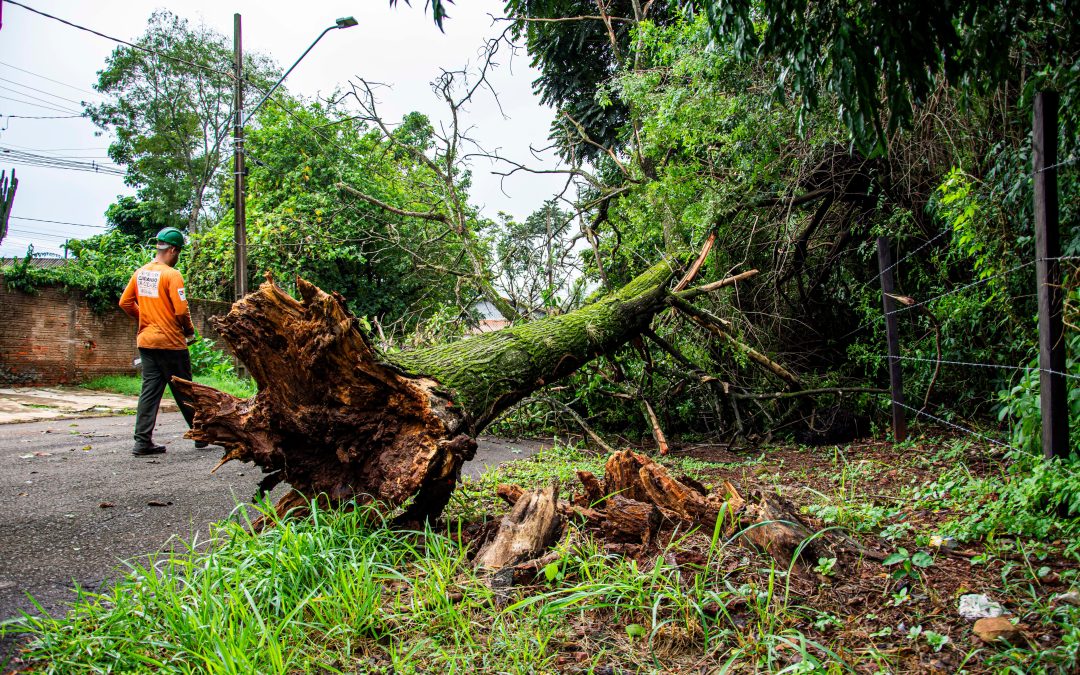
Storm Damage May Compromise Safety
Severe weather can significantly affect tree stability.
After storms, inspect trees for:
- Broken branches
- Split trunks
- Exposed roots
- Hanging limbs
- Major canopy loss
Not all storm-damaged trees require removal.
However, extensive structural damage often increases future failure risks.
A professional arborist can help determine whether the tree can recover safely.
Pest Infestations Can Weaken Trees
Certain insect infestations can cause extensive damage.
Examples include:
- Bark beetles
- Emerald ash borers
- Termites in dead wood
- Wood-boring insects
Infestations may weaken structural integrity and contribute to tree decline.
If treatment is unlikely to save the tree, removal may help prevent the spread of pests to nearby vegetation.
The Tree Is Blocking Essential Improvements
Sometimes tree removal is not related to health or safety.
Homeowners occasionally remove trees to accommodate:
- Home additions
- Driveway expansions
- Swimming pools
- Utility installations
- Major landscape redesigns
Before proceeding, consider whether the tree can be preserved through design modifications.
Mature trees provide environmental and aesthetic benefits that can be difficult to replace.
Trees That Interfere With Utility Lines
Trees growing into power lines can create serious hazards.
Potential risks include:
- Power outages
- Electrical fires
- Falling branches
- Service disruptions
Utility companies often manage vegetation near major lines, but homeowners remain responsible for many trees on private property.
If repeated pruning is required to maintain clearance, removal may be worth considering.
When to Consult a Certified Arborist
Many tree problems are not obvious to untrained observers.
A certified arborist can evaluate:
- Structural integrity
- Disease severity
- Root condition
- Safety risks
- Treatment options
The ISA recommends professional assessments when homeowners notice significant changes in a tree’s health or stability.
Expert evaluations can prevent unnecessary removals while identifying genuine safety concerns.
Alternatives to Tree Removal
Before removing a tree, consider whether other solutions may be effective.
Possible alternatives include:
- Selective pruning
- Cabling and bracing
- Disease treatment
- Soil improvement
- Pest management
In many cases, proper care can extend a tree’s lifespan and improve its health.
Removal should generally be viewed as a last resort when safety, health, or property concerns cannot be adequately addressed.
Conclusion
Knowing when to remove a tree from your yard is an important part of responsible property maintenance. While healthy trees provide valuable benefits, dead, diseased, unstable, or poorly located trees can pose significant risks.
Warning signs such as severe leaning, trunk damage, root problems, storm damage, and extensive disease should never be ignored. Early action can help prevent costly property damage and improve overall safety.
If you’re uncertain about a tree’s condition, consulting a certified arborist is often the best next step. A professional evaluation can help you determine whether treatment is possible or whether removal is the safest solution for your property and family.