
A yard can change dramatically with just a few smart landscaping updates. Overgrown branches suddenly make a home feel darker, messy landscape beds lose their shape, and shrubs can quickly take over walkways if left unchecked. The good news is that timing plays a huge role in keeping outdoor spaces healthy, attractive, and easier to maintain.
That’s why many homeowners eventually ask the same important question: when is the right season to trim trees and reshape your landscape beds?
The answer depends on several factors, including tree species, climate, plant health, and the type of landscaping goals you have. While some trimming can happen year-round, certain seasons are much better for encouraging healthy growth and avoiding unnecessary plant stress.
Understanding proper timing can help homeowners improve curb appeal, protect plant health, and avoid expensive landscaping mistakes.
Why Seasonal Timing Matters for Landscaping
Plants and trees respond differently depending on the season. Growth cycles, temperature changes, moisture levels, and dormancy periods all affect how landscaping reacts to trimming and reshaping.
Pruning at the wrong time may lead to:
- Slower healing
- Reduced flowering
- Disease exposure
- Weak new growth
- Increased pest problems
On the other hand, trimming and reshaping during the correct season often promotes stronger growth and healthier plants.
According to the International Society of Arboriculture, proper pruning improves tree structure, reduces safety risks, and supports long-term plant health when done correctly.
That’s one reason learning when is the right season to trim trees and reshape your landscape beds can make such a noticeable difference in yard appearance and maintenance costs.
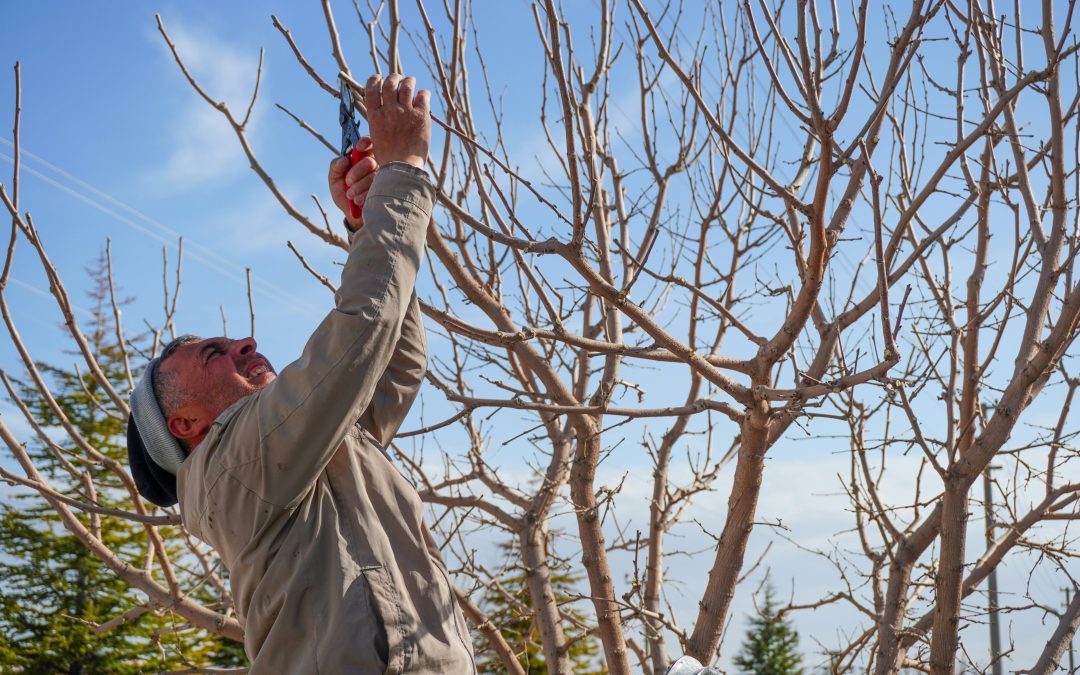
Late Winter Is Often Ideal for Tree Trimming
For many trees, late winter is considered one of the best times for pruning.
During this period:
- Trees are usually dormant
- Leaves are absent, making branches easier to inspect
- Insect activity is lower
- Trees experience less stress
Dormant-season trimming allows trees to heal more efficiently once spring growth begins.
It also helps homeowners identify:
- Dead branches
- Weak limbs
- Structural problems
- Storm damage
Many professional arborists prefer trimming deciduous trees during late winter before new buds fully emerge.
This timing often produces cleaner growth patterns during spring.
Spring Is Perfect for Landscape Bed Reshaping
Spring is one of the most popular seasons for landscape bed maintenance.
After winter weather fades, homeowners can clearly see which plants survived well and which areas need refreshing.
Spring reshaping often includes:
- Defining bed edges
- Adding mulch
- Removing weeds
- Replanting flowers
- Trimming small shrubs
- Cleaning debris
Freshly edged landscape beds instantly make a yard look more polished and organized.
This is also the season when many homeowners begin asking when is the right season to trim trees and reshape your landscape beds because outdoor spaces become a major focus again.
Flowering Trees Need Special Timing
Not all trees should be pruned at the same time.
Flowering trees especially require careful timing because pruning too early or too late may reduce blooming.
Generally:
- Spring-flowering trees are best trimmed shortly after blooming
- Summer-flowering trees can often be pruned during late winter
Examples of spring bloomers include:
- Dogwoods
- Magnolias
- Cherry trees
- Redbuds
Pruning these trees before blooming may remove flower buds entirely.
Understanding bloom cycles helps protect both tree health and seasonal beauty.
Summer Trimming Can Help Control Growth
While heavy pruning during summer is not always ideal, light trimming can still be beneficial.
Summer maintenance often focuses on:
- Removing damaged limbs
- Controlling excessive growth
- Improving visibility
- Managing safety concerns
This is especially useful for branches interfering with:
- Rooflines
- Power lines
- Walkways
- Driveways
However, excessive pruning during extreme heat may stress certain trees and shrubs.
Moderation matters during hot-weather months.
Fall Is Great for Cleanup but Not Always Heavy Pruning
Fall is a common season for yard cleanup, but it is not always the best time for major pruning.
During autumn, many plants prepare for dormancy. Heavy trimming may stimulate new growth that struggles once freezing temperatures arrive.
Still, fall is excellent for:
- Removing dead branches
- Cleaning landscape beds
- Preparing mulch
- Cutting back perennials
- Removing diseased limbs
Landscape bed reshaping during fall also helps properties look cleaner heading into winter.
Many homeowners combine fall cleanup with early preparation for spring landscaping projects.
Proper Landscape Bed Edging Improves Curb Appeal
One simple landscaping upgrade that often gets overlooked is bed edging.
Clean edges create visual separation between:
- Grass
- Flower beds
- Mulch
- Walkways
This small detail instantly makes landscaping appear more professionally maintained.
Popular edging materials include:
- Natural stone
- Brick
- Metal borders
- Decorative concrete
- Simple trench edging
Even without major renovations, reshaping landscape beds can dramatically improve a yard’s appearance.
Overtrimming Is a Common Mistake
Many homeowners assume more trimming automatically means healthier plants. In reality, excessive pruning can weaken trees and shrubs.
Overtrimming may lead to:
- Stress
- Sunscald damage
- Weak regrowth
- Poor structure
- Increased disease vulnerability
A good rule is to remove only what is necessary for health, safety, and appearance.
Professional landscapers often focus on selective trimming instead of aggressive cutting.
That balance is important when deciding when is the right season to trim trees and reshape your landscape beds without harming long-term growth.
Mulching Plays a Bigger Role Than People Realize
After reshaping landscape beds, mulch becomes one of the most valuable finishing touches.
Mulch helps:
- Retain moisture
- Reduce weeds
- Regulate soil temperature
- Improve appearance
- Protect roots
Organic mulches like bark or wood chips also break down gradually, improving soil quality over time.
Fresh mulch instantly refreshes landscaping and helps newly shaped beds stand out visually.
Weather Conditions Affect Timing Too
Local climate matters just as much as the season itself.
For example:
- Wet conditions may increase disease risks after pruning
- Drought periods can stress newly trimmed plants
- Extreme cold may slow healing
That’s why professional landscapers often monitor both seasonal timing and short-term weather patterns before performing major work.
In regions with unpredictable weather, flexibility becomes important.
Mature Trees Need Different Care Than Young Trees
Young trees and mature trees often require different pruning approaches.
Young trees benefit from structural shaping that encourages healthy long-term growth.
Mature trees usually require:
- Deadwood removal
- Weight balancing
- Safety pruning
- Storm preparation
Older trees also heal more slowly, making timing especially important.
Improper cuts on mature trees can create long-term structural problems.
Professional Inspections Can Prevent Bigger Problems
Sometimes homeowners only notice tree issues after visible damage appears.
Professional inspections may identify:
- Hidden decay
- Weak branch unions
- Pest infestations
- Disease symptoms
- Root problems
Addressing these issues early often prevents expensive removals or storm damage later.
Tree care is not only about appearance. Safety matters too.
Landscaping Improves Property Value
According to research from Virginia Tech, well-maintained landscaping can increase perceived home value significantly.
Healthy trees and attractive landscape beds improve:
- Curb appeal
- Outdoor enjoyment
- Shade and cooling
- Property aesthetics
Simple seasonal maintenance often delivers noticeable visual improvements without requiring massive landscaping budgets.
That’s another reason homeowners continue researching when is the right season to trim trees and reshape your landscape beds as part of long-term property care.
Conclusion
Healthy landscaping depends heavily on timing, consistency, and proper maintenance techniques. Trees, shrubs, and flower beds all respond differently throughout the year, and understanding seasonal growth patterns can help homeowners make smarter landscaping decisions.
Whether trimming dormant trees during late winter, refreshing landscape beds in spring, or cleaning up debris in fall, each season offers unique opportunities for improving outdoor spaces.
By understanding when is the right season to trim trees and reshape your landscape beds, homeowners can create healthier plants, cleaner yard designs, and more beautiful outdoor environments that stay attractive throughout the year.