
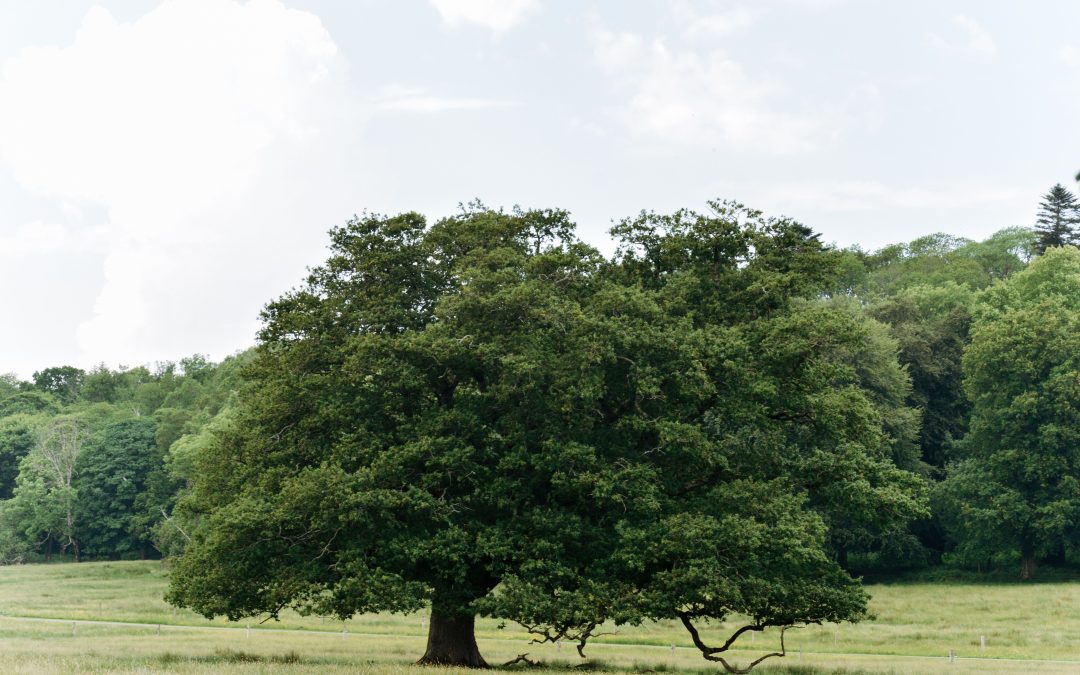
Mature trees are some of the most valuable features in any landscape. They provide shade during hot summer days, improve curb appeal, support local wildlife, and can even increase property value. Unlike young trees, mature trees have spent decades establishing strong root systems and becoming an important part of the environment around them.
However, many homeowners assume that older trees can simply take care of themselves. While mature trees are often resilient, they still require proper care to remain healthy and safe. Neglect, construction damage, drought, pests, and disease can all threaten even the strongest trees.
If you’re wondering how to keep mature trees healthy, the good news is that a few smart maintenance practices can go a long way. With regular attention and preventive care, mature trees can continue thriving for generations.
According to the United States Department of Agriculture, healthy urban trees provide environmental benefits such as reducing stormwater runoff, improving air quality, and lowering energy costs through shade. Protecting mature trees is not only beneficial for your property but also for the broader community.
Let’s explore the best ways to help mature trees stay healthy and strong.
Understand the Needs of Mature Trees
Mature trees have different needs than newly planted trees.
Young trees focus much of their energy on establishing roots and growing quickly. Mature trees, on the other hand, spend more energy maintaining their structure and supporting large branches, leaves, and root systems.
As trees age, they may become more sensitive to:
- Soil compaction
- Drought stress
- Root damage
- Pest infestations
- Environmental changes
Understanding these challenges is the first step in learning how to keep mature trees healthy.
Water Deeply During Dry Periods
Many people assume mature trees never need watering. While established trees are generally more drought-tolerant than young trees, prolonged dry conditions can still cause stress.
Deep watering is often more beneficial than frequent shallow watering.
When watering mature trees:
- Water slowly and deeply
- Focus on the root zone beneath the canopy
- Avoid daily light watering
- Increase watering during drought conditions
Deep watering encourages roots to access moisture farther below the surface, helping trees remain resilient during hot weather.
Apply Mulch Properly
Mulch is one of the simplest and most effective tools for tree care.
A layer of mulch helps:
- Retain soil moisture
- Moderate soil temperature
- Reduce weed competition
- Improve soil health
Apply mulch around the base of the tree while keeping it several inches away from the trunk.
A common mistake is creating a “mulch volcano,” where mulch is piled directly against the trunk. This can trap moisture and increase the risk of decay and pest problems.
Protect the Root Zone
The majority of a tree’s roots are located surprisingly close to the soil surface.
Construction projects, heavy equipment, and frequent foot traffic can compact soil and damage roots.
To protect mature trees:
- Avoid parking vehicles near root zones
- Limit excavation around trees
- Prevent soil compaction
- Keep heavy machinery away when possible
One of the most important aspects of how to keep mature trees healthy is protecting the root system that supports the entire tree.
Prune Carefully and Strategically
Pruning helps maintain tree structure and remove damaged branches.
However, excessive pruning can create unnecessary stress.
Good pruning practices include:
- Removing dead branches
- Eliminating broken limbs
- Improving airflow when needed
- Correcting hazardous growth
Avoid removing large amounts of healthy foliage at one time.
Professional arborists often recommend pruning mature trees conservatively to preserve their natural structure and health.
Monitor for Pests and Disease
Even healthy trees can occasionally experience pest or disease problems.
Regular inspections can help identify issues before they become severe.
Watch for signs such as:
- Discolored leaves
- Early leaf drop
- Dead branches
- Bark damage
- Visible insects
- Fungal growth
Early detection often makes treatment more effective and less costly.
If symptoms persist, consulting a certified arborist may be the best course of action.
Improve Soil Health
Healthy soil supports healthy trees.
Over time, urban soils can become compacted and depleted of nutrients.
Ways to improve soil health include:
- Adding organic mulch
- Avoiding excessive chemical use
- Maintaining proper drainage
- Incorporating compost when appropriate
Healthy soil allows roots to absorb water and nutrients more efficiently, which contributes to long-term tree vitality.
Avoid Mechanical Damage
Lawn equipment is a surprisingly common cause of tree injury.
Repeated contact from:
- Lawn mowers
- String trimmers
- Landscaping equipment
can damage bark and expose trees to insects and disease.
Creating a mulch ring around the tree helps eliminate the need to mow close to the trunk and reduces the risk of accidental damage.
Be Careful with Fertilization
Many mature trees do not require regular fertilization.
Applying fertilizer without understanding soil conditions can sometimes do more harm than good.
Before fertilizing:
- Consider a soil test
- Identify nutrient deficiencies
- Follow professional recommendations
Trees growing in healthy soil often obtain the nutrients they need naturally.
Proper fertilization should address specific deficiencies rather than serve as a routine practice.
Watch for Signs of Stress
Mature trees often show visible signs when they are struggling.
Common indicators include:
- Sparse foliage
- Smaller leaves
- Premature leaf drop
- Branch dieback
- Cracks in the trunk
Paying attention to these symptoms can help you address problems before they become severe.
When evaluating how to keep mature trees healthy, regular observation is one of the most valuable habits homeowners can develop.
Protect Trees During Construction
Construction activities can have lasting effects on mature trees.
Root damage often occurs when:
- Trenches are dug
- Soil is graded
- Heavy equipment is used nearby
Protective fencing around root zones can help minimize damage during construction projects.
Whenever possible, involve an arborist during project planning to reduce risks to valuable trees.
Support Biodiversity Around Trees
Trees benefit from healthy ecosystems.
Planting compatible native plants around mature trees can:
- Improve soil quality
- Support pollinators
- Increase biodiversity
- Reduce erosion
Native groundcovers and shade-tolerant plants often work particularly well beneath established tree canopies.
A balanced landscape supports overall tree health while enhancing visual appeal.
Schedule Professional Inspections
Even experienced homeowners may not recognize early warning signs of structural or health issues.
Professional arborists can identify problems such as:
- Internal decay
- Structural weaknesses
- Disease development
- Root concerns
Periodic inspections are especially valuable for large trees located near homes, driveways, or other structures.
Preventive care is often less expensive than emergency tree removal or major corrective treatments.
Understand Seasonal Tree Care Needs
Different seasons present different challenges for mature trees.
Spring
Monitor new growth and inspect for winter damage.
Summer
Provide supplemental watering during drought conditions.
Fall
Apply mulch and monitor for disease symptoms.
Winter
Protect trees from physical damage and avoid unnecessary pruning.
Adjusting care throughout the year helps trees remain healthy under changing conditions.
Conclusion
Learning how to keep mature trees healthy involves more than occasional watering or trimming. Mature trees thrive when their roots are protected, soil remains healthy, and potential problems are identified early. Deep watering, proper mulching, strategic pruning, and routine monitoring all contribute to long-term tree health.
These impressive trees often take decades to reach maturity, making them valuable assets worth protecting. With consistent care and attention, mature trees can continue providing shade, beauty, environmental benefits, and enjoyment for many years to come.