
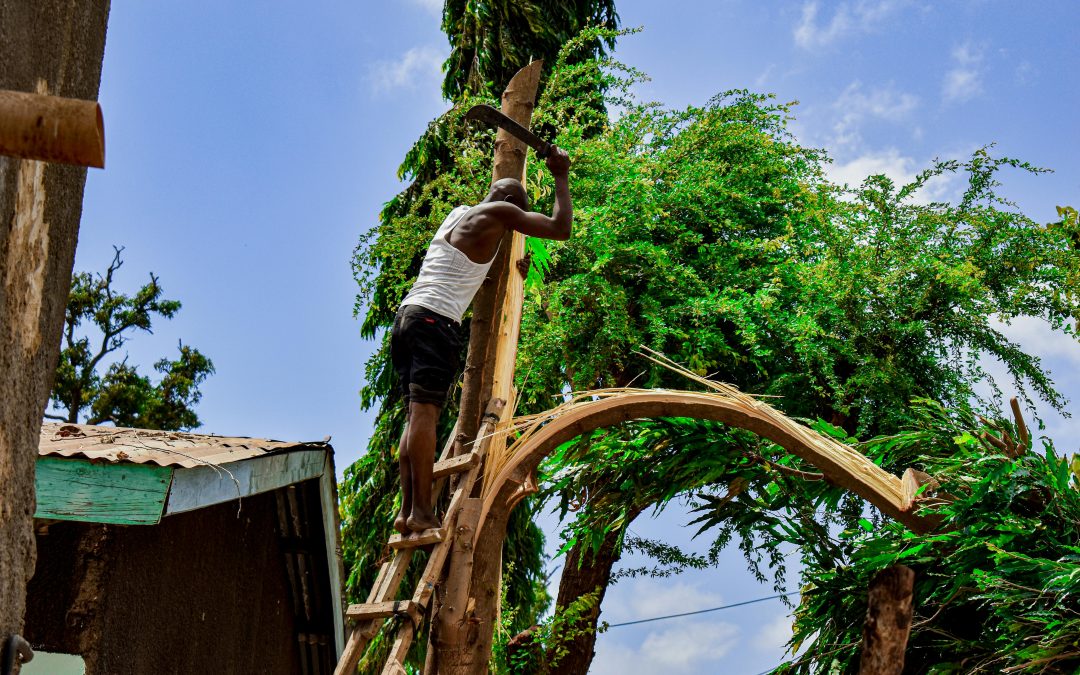
Got a tree that’s starting to look a little wild? Maybe there are branches brushing against your windows, or you just want to give your landscape a clean, polished look. Either way, if you’re planning to tackle tree trimming yourself, you’ll want the right tree pruning tools to make the job easier, safer, and way more effective.
Pruning is more than just snipping away at overgrowth. Done right, it encourages healthy growth, removes dead or diseased limbs, and enhances the shape and structure of your trees. In fact, according to the International Society of Arboriculture (ISA), regular tree pruning can improve a tree’s overall health and even extend its life span. But here’s the catch: without the right tools, you could do more harm than good.
Let’s break down the must-have tree pruning tools every homeowner should keep in their shed or garage.
Hand Pruners (Bypass or Anvil)
Hand pruners are the MVPs of any pruning toolkit. Perfect for snipping small branches and stems (typically under ¾ inch thick), these are your go-to for detail work and precision cuts.
There are two types:
- Bypass pruners: They have a sharp, curved blade that passes a blunt one, giving a clean cut (ideal for live branches).
- Anvil pruners: The blade cuts down onto a flat surface (better for dead wood).
Bypass pruners are more popular for home use because they’re gentler on healthy plants.
Loppers
When you need more cutting power but still want to keep things handheld, loppers step in. These long-handled pruners can cut through branches up to 2 inches thick, depending on the model. The extended handles give you extra reach and leverage—super helpful when working with medium-sized limbs or harder-to-reach spots.
Look for loppers with cushioned grips and adjustable handles if you want added comfort and flexibility.
Pruning Saws
Got branches that are too thick for loppers? Enter the pruning saw. These come in various styles, but all are designed to easily cut through wood that’s 2 to 5 inches thick.
The curved blade versions are especially handy because they hug the branch as you cut, making the motion more efficient. Some even come with ergonomic handles to prevent wrist fatigue during longer jobs.
Pro tip: Always use a sharp blade. A dull saw does more tearing than cutting—and that’s bad news for your tree.
Pole Pruners
Don’t feel like climbing a ladder? Good. With a pole pruner, you won’t have to. These long-reach tools let you trim higher branches while keeping your feet safely on the ground.
Most models come with a pruning saw at the end and a bypass-style pruner controlled by a rope or pulley system. It might take a little practice to master, but once you do, you’ll be pruning like a pro—without the risk of a fall.
Chainsaw (For Bigger Jobs)
We’re getting into power tool territory now. If you have large limbs or need to remove an entire tree, a chainsaw can handle what manual tools can’t.
Just keep in mind: chainsaws are serious equipment. You’ll want to follow all safety protocols, wear protective gear, and be 100% sure of what you’re cutting. When in doubt, call a professional tree care service instead.
For small to mid-size jobs, battery-powered chainsaws are a great option. They’re quieter, lighter, and require less maintenance than gas-powered models.
Hedge Shears
While not always necessary for big tree limbs, hedge shears are great for trimming ornamental trees, shrubs, and shaping smaller branches or twigs. They look like oversized scissors and are especially useful for detailed aesthetic work—think topiary or shaping a young tree.
Use these when precision and neatness matter more than power.
Safety Gear
Okay, it’s not technically a tool, but this one’s too important to skip. Before you do any pruning, make sure you’ve got:
- Safety glasses or goggles (branches fight back)
- Heavy-duty gloves (splinters are real)
- A helmet if you’re working under large limbs
- Non-slip shoes or boots
Pruning without proper safety gear is a shortcut that could lead to injury—and we don’t want that.
Quick Tips for Better Tree Pruning
Now that you’re armed with the right tree pruning tools, here are a few bonus tips to help you prune smart:
- Prune during late winter or early spring, when trees are dormant.
- Avoid cutting too close to the trunk—leave the branch collar intact to help healing.
- Never remove more than 25% of a tree’s canopy at one time.
- Clean your tools after each use to prevent the spread of disease between trees.
Final Thoughts
Whether you’re maintaining a fruit tree, shaping up your landscape, or clearing away deadwood, having the proper tree pruning tools can make all the difference. Not only do they make the job easier, but they also help protect your trees and keep your property looking its best.
And remember, if you’re dealing with large trees, high branches, or just want a flawless finish, don’t hesitate to call in a professional. At Gonzalez Landscaping & Tree Service, we’ve got the tools—and the experience—to prune safely, cleanly, and beautifully.
Ready to give your trees a little TLC? Start with the right tools, and let nature do the rest.