
If you have ever stepped into a yard that feels alive, green, and full of healthy growth, you know how instantly uplifting it can be. A thriving outdoor space is not just pleasing to look at, it also boosts property value and even supports local ecosystems. Creating that kind of environment is easier than you might think when you follow the right tips for healthy lawn and trees. The Arbor Day Foundation reports that trees can cool surrounding areas by up to 10 degrees, which shows how much impact your landscape has on your overall home environment.
Why Lawn and Tree Health Matters
Your lawn and trees are living systems that depend on consistent care. Healthy grass improves soil structure and reduces erosion, while strong trees provide shade, cleaner air, and habitat for wildlife. When you combine proper lawn care with thoughtful tree maintenance, you create a balanced yard where everything supports each other. Understanding the basics behind these tips for healthy lawn and trees helps you build a greener space that thrives year round.
Start With Soil That Supports Strong Growth
Healthy yards start underground. Soil quality determines how well your lawn and trees absorb water and nutrients. Begin by checking your soil’s pH level, which you can easily test with a simple home kit. Slightly acidic soil tends to work best for most grass types. Adding compost improves soil texture and increases nutrient availability. Think of it like feeding the foundation of your yard, because when the soil is strong, everything growing above it becomes healthier too.
Water the Smart Way, Not the Hard Way
One of the most important tips for healthy lawn and trees is watering correctly. Many homeowners assume more water means healthier plants, but overwatering often does more harm than good. Instead, water deeply and less frequently. This encourages roots to grow downward, creating stronger and more drought resistant plants. Early morning watering helps reduce evaporation and protects your lawn from fungal issues. Trees need slow, deep watering at the base to reach their wider root zones. Learning when and how much to water makes a noticeable difference in your yard’s appearance.
Mow and Trim With Care
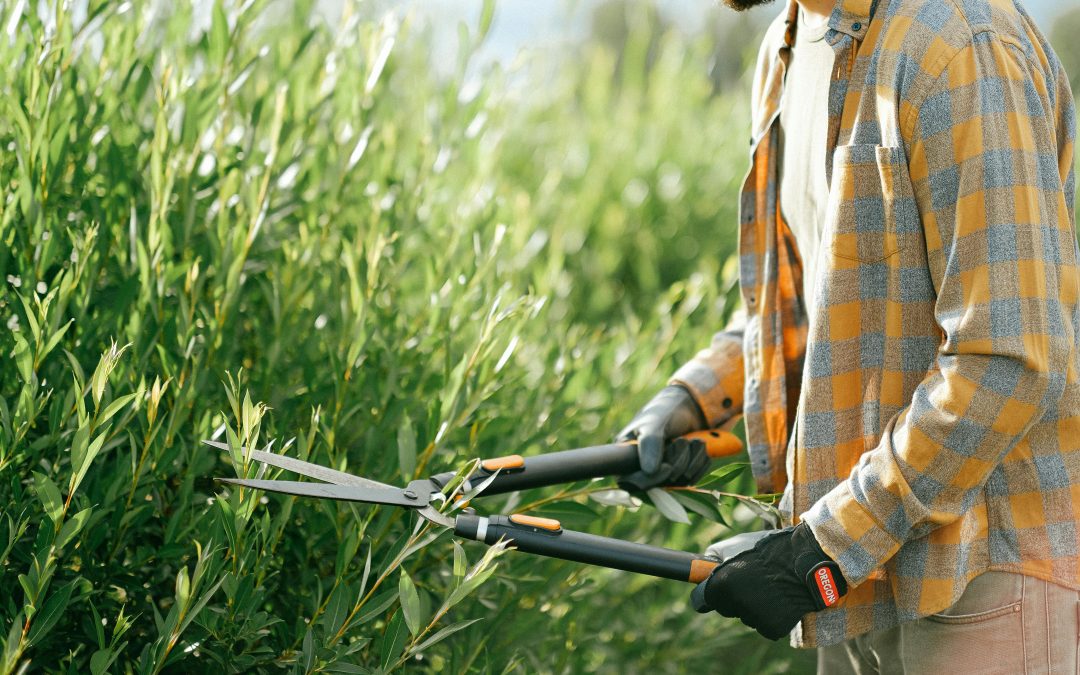
Proper mowing habits can transform the health of your lawn. Set your mower blade higher to avoid cutting the grass too short, because short grass becomes stressed and more vulnerable to weeds. Leaving grass clippings on the lawn helps return valuable nutrients to the soil. When it comes to trees, trimming is essential for safety and growth. Remove broken or crossing branches and try to prune during the dormant season for the best results. These small habits help keep your landscape neat, safe, and growing well.
Feed Your Lawn and Trees the Right Nutrients
Like all living things, your lawn and trees need the right nourishment. Fertilizers give them essential nutrients, although timing matters. Spring and fall are usually the best seasons for feeding grass because temperatures are moderate. Trees typically benefit from slow release fertilizers that support gradual growth. Use the instructions carefully since over fertilizing can damage roots and cause more problems than it solves. Following smart feeding practices is one of the easiest tips for healthy lawn and trees that pays off quickly.
Keep an Eye Out for Pests and Diseases
A healthy yard requires a little observation. Check your lawn for signs of pests such as discolored patches or thinning areas. For trees, watch for unusual leaf spots, holes, or sudden wilting. According to the U.S. Forest Service, early detection is the key to preventing long term damage from pests and diseases. Many issues can be managed with simple solutions when caught early, so regular check ins help protect your entire yard.
Mulch for Protection and Moisture Savings
Mulch is a small gardening habit that brings big benefits. Adding a layer of mulch around tree bases helps lock in moisture, regulate soil temperature, and reduce weed growth. Mulching lawn edges can also keep your grass healthier and make your yard look more polished. With mulch, less water is wasted, and your plants have a better chance of staying hydrated during warmer months. It is a simple step that supports overall yard health.
Create a Year Round Maintenance Routine
The most successful yards are not created by one big weekend of work. They thrive through small and consistent care. Create a seasonal checklist for mowing, fertilizing, pruning, and watering. When you follow these tips for healthy lawn and trees regularly, you build a landscape that becomes easier to maintain over time. The more predictable your care routine is, the healthier your outdoor space will remain.
Conclusion: A Healthy Yard Is Within Your Reach
A beautiful yard does not require complicated techniques. When you follow simple tips for healthy lawn and trees, you support long lasting growth and create a greener, more enjoyable outdoor space. With a little attention to soil, water, mowing, and care, your yard can become a place you love spending time in.