
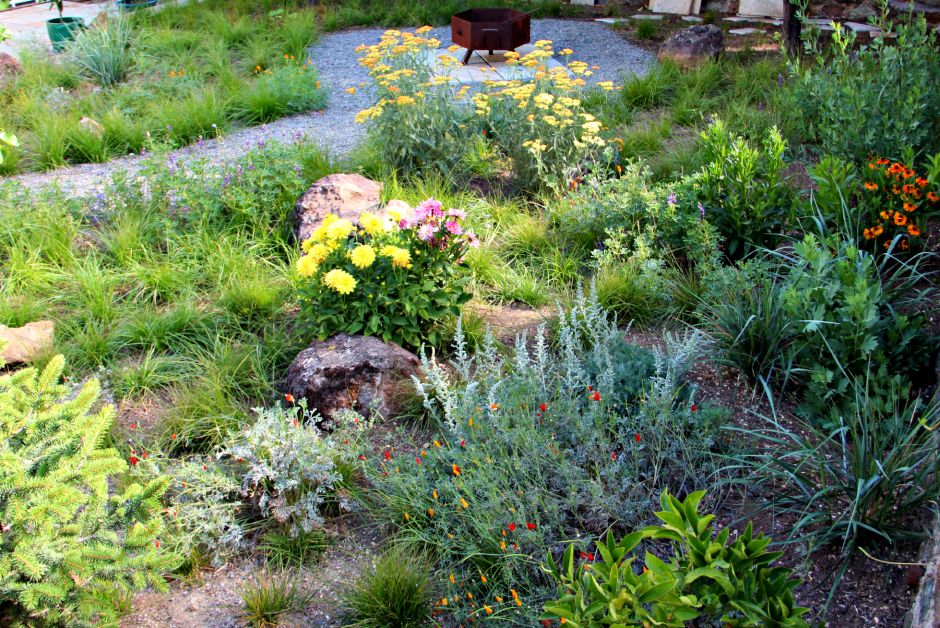
Native grasses are an excellent addition to any landscape design, offering both aesthetic appeal and environmental benefits. These grasses are well-adapted to local conditions and can enhance the sustainability of your garden. Here’s why you should consider using native grasses in your landscaping:
1. Low Maintenance
Native grasses are adapted to the local climate and soil, making them hardy and low maintenance. They require less water, fertilizer, and mowing compared to traditional lawns, saving you time and resources.
2. Drought Tolerance
Many native grasses are drought-tolerant, making them ideal for regions with water scarcity. Once established, they can survive on natural rainfall, reducing the need for supplemental watering.
3. Erosion Control
The deep root systems of native grasses help stabilize soil and prevent erosion. They are particularly effective on slopes and in areas prone to soil erosion, maintaining soil health and structure.
4. Wildlife Habitat
Native grasses provide habitat and food for local wildlife, including birds, insects, and small mammals. They support biodiversity and contribute to the overall health of the ecosystem.
5. Aesthetic Appeal
With their varied textures, colors, and forms, native grasses add visual interest to your landscape. They can be used as groundcovers, borders, or focal points, complementing other plants and hardscape elements.
6. Seasonal Beauty
Native grasses offer year-round beauty, with changing colors and textures throughout the seasons. Many grasses produce attractive seed heads in the fall and winter, adding to the garden’s visual appeal.
7. Resilience to Pests and Diseases
Native grasses are typically more resistant to local pests and diseases, reducing the need for chemical treatments. This promotes a healthier garden environment and minimizes the use of harmful pesticides.
Incorporating native grasses into your landscaping not only enhances the beauty and sustainability of your garden but also supports local ecosystems and wildlife.