
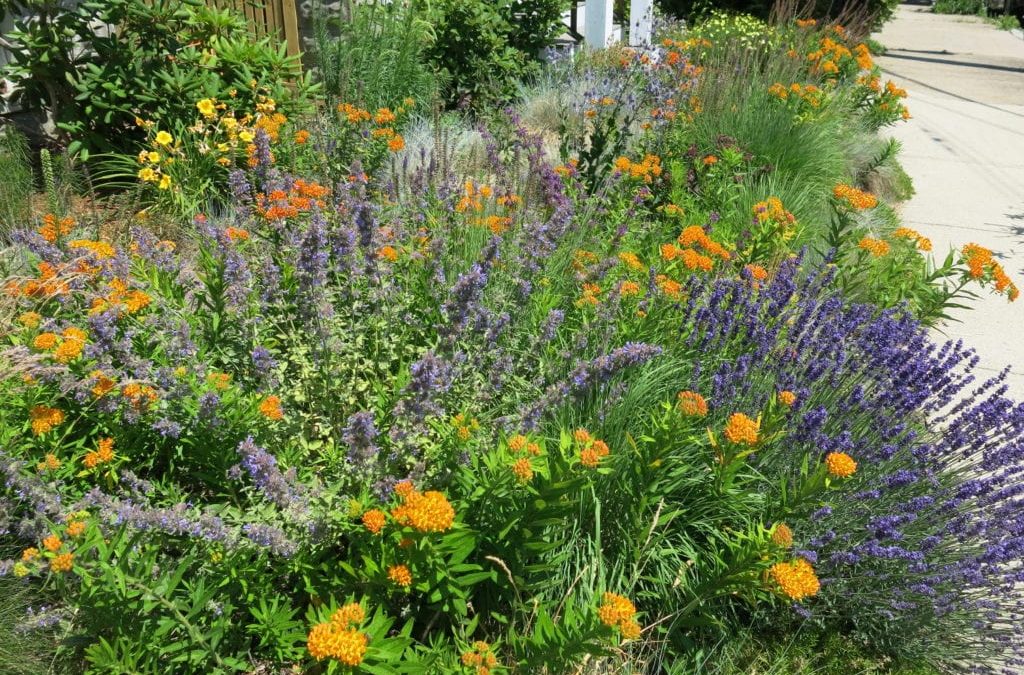
Pollinator gardens are designed to attract and support pollinators such as bees, butterflies, and hummingbirds. These gardens are not only beneficial for the environment but also enhance the beauty and diversity of your landscape. Here are the benefits of creating a pollinator garden and tips on how to get started:
1. Supporting Ecosystems
Pollinators play a crucial role in the ecosystem by facilitating the reproduction of many plants. By creating a pollinator-friendly garden, you help support these essential creatures and promote biodiversity.
2. Increased Plant Health and Yield
Pollinators enhance the health and productivity of your plants. For example, fruits and vegetables often produce larger and more abundant yields when pollinated by bees and other insects.
3. Educational Opportunities
Pollinator gardens provide an excellent opportunity to learn about the life cycles and habits of different pollinators. They can be a great educational tool for children and adults alike, fostering a deeper appreciation for nature.
4. Aesthetic Appeal
A diverse pollinator garden is visually stunning, with a variety of flowers, colors, and textures. The movement and presence of butterflies, bees, and hummingbirds add a dynamic and enchanting element to your garden.
5. Choosing the Right Plants
Select a variety of native flowering plants that bloom at different times throughout the year to provide a consistent food source for pollinators. Include plants like milkweed, lavender, coneflowers, and bee balm, which are particularly attractive to pollinators.
6. Provide Habitats and Nesting Sites
In addition to food, pollinators need habitats and nesting sites. Incorporate elements like bee houses, butterfly shelters, and piles of leaves or logs to provide shelter. Avoid using pesticides, as they can be harmful to pollinators.
7. Water Sources
Ensure there is a water source in your garden, such as a shallow birdbath or a small pond. Pollinators need water to drink and cool down. Add stones or pebbles to the water source to provide landing spots for insects.
Creating a pollinator garden is a rewarding way to contribute to the environment while enjoying the beauty and benefits of a vibrant, lively garden.