
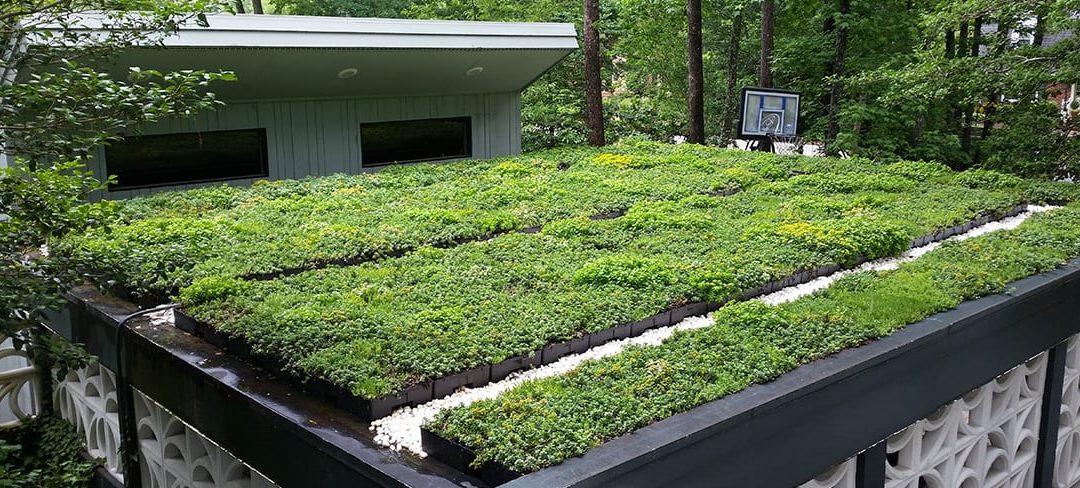
Green roofs, also known as living roofs, are a sustainable way to utilize rooftop space for gardening and landscaping. They provide numerous environmental, economic, and aesthetic benefits. Here’s why you should consider a green roof and how to create one:
1. Environmental Benefits
Green roofs help reduce urban heat islands, improve air quality, and provide insulation, reducing the need for heating and cooling. They also absorb rainwater, reducing stormwater runoff and lowering the risk of flooding.
2. Energy Efficiency
By adding a layer of vegetation, green roofs provide natural insulation, which can lower energy costs. During the summer, they keep buildings cooler, and in the winter, they help retain heat.
3. Biodiversity
Green roofs create habitats for birds, insects, and other wildlife, promoting biodiversity in urban areas. They can be designed to include a variety of plants that attract pollinators and other beneficial species.
4. Aesthetic Appeal
Green roofs add visual appeal to buildings, transforming unused rooftop space into beautiful, green areas. They can be designed as relaxing retreats, with seating areas and pathways, enhancing the building’s overall appearance.
5. Property Value
Installing a green roof can increase the value of a property by improving its energy efficiency, aesthetic appeal, and environmental sustainability. It’s an attractive feature for potential buyers and tenants.
How to Create a Green Roof:
- Assess Structural Integrity Ensure that your roof can support the additional weight of a green roof. Consult with a structural engineer to determine the load-bearing capacity and make any necessary modifications.
- Choose the Right System There are two main types of green roofs: extensive and intensive. Extensive green roofs are lightweight, with a shallow soil depth and low-maintenance plants. Intensive green roofs are heavier, with deeper soil and a wider variety of plants, requiring more maintenance.
- Install Waterproofing and Root Barrier Apply a waterproof membrane to protect the building structure from moisture. A root barrier is also essential to prevent plant roots from penetrating the roof.
- Add Drainage and Growing Medium Install a drainage layer to ensure excess water can escape. Add a lightweight growing medium, specially formulated for green roofs, to support plant growth while minimizing weight.
- Select Appropriate Plants Choose plants that are suited to the local climate and can thrive in rooftop conditions. Sedums, grasses, and drought-tolerant perennials are common choices for extensive green roofs. For intensive roofs, you can include a wider range of plants, including shrubs and small trees.
- Maintain Your Green Roof Regular maintenance is essential to keep your green roof healthy. This includes watering, weeding, and fertilizing as needed. Monitoring the roof’s drainage and structural integrity is also important.
By creating a green roof, you can enjoy a range of benefits while contributing to a more sustainable and aesthetically pleasing urban environment.