
Keeping your lawn lush and green depends on one thing above all—consistent watering. But when it comes to choosing the right watering system, homeowners often face one key question: soaker hose or sprinkler for lawn? Both methods can keep your grass hydrated, but each works differently and suits specific conditions.
Whether you’re maintaining a small backyard or a wide landscape, understanding the pros and cons of soaker hoses and sprinklers helps you save water, time, and effort while giving your lawn exactly what it needs.
Understanding the Basics
What Is a Soaker Hose?
A soaker hose is a flexible, porous tube—often made from recycled rubber or polyethylene—that slowly releases water along its length. Instead of spraying water into the air, it seeps directly into the soil at ground level.
Soaker hoses are excellent for deep, targeted watering. They work best when placed directly on or just beneath the surface, winding through garden beds or along the base of plants.
What Is a Sprinkler?
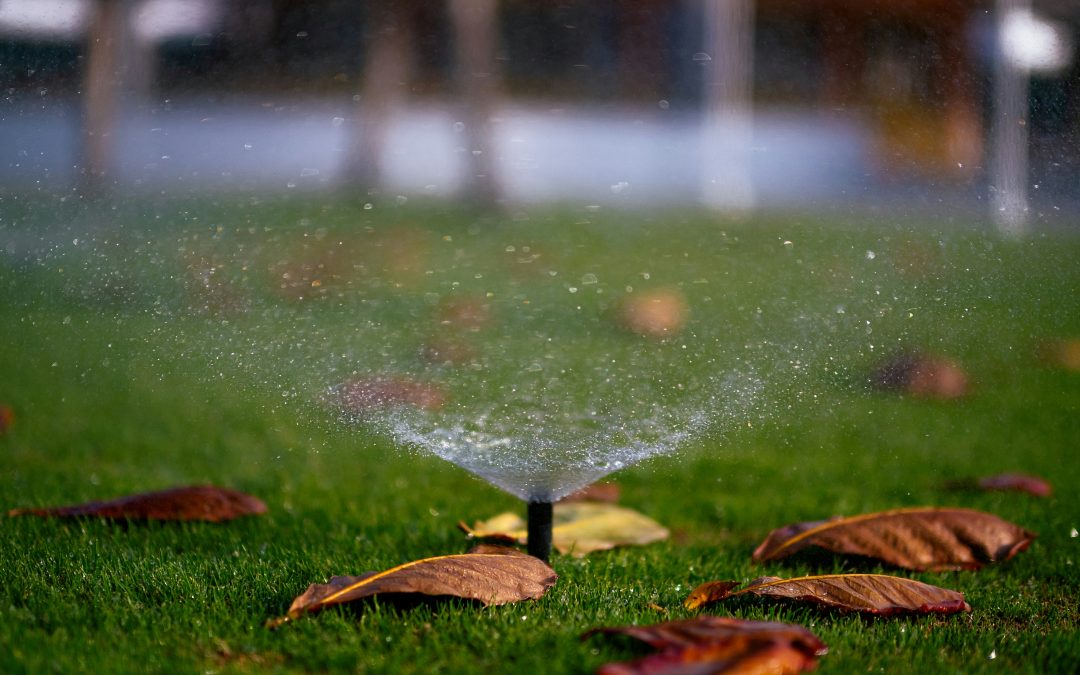
A sprinkler system distributes water by spraying it through the air, either from a stationary head or a rotating mechanism. Sprinklers cover a large area evenly, making them popular for lawns and open spaces.
There are many types of sprinklers—oscillating, rotary, pop-up, and impact sprinklers—each designed for different yard shapes and sizes.
Advantages of a Soaker Hose
Soaker hoses provide efficient, eco-friendly watering for certain lawn and garden conditions.
- Water efficiency: They deliver water directly to the soil, reducing evaporation and runoff. This can save up to 70% more water than overhead sprinklers.
- Even moisture: The slow seepage promotes deep root growth, helping grass and plants withstand drought conditions.
- Less disease risk: Because the foliage stays dry, there’s less chance of mold or fungal growth.
- Quiet and low maintenance: Soaker hoses operate silently and require little setup once positioned.
- Ideal for targeted areas: They’re great for irregular shapes, slopes, or areas with flower beds and shrubs where even watering is critical.
However, soaker hoses are less suitable for large lawns because their reach is limited. They also need careful placement and occasional cleaning to prevent clogging.
Advantages of a Sprinkler System
Sprinklers are the classic choice for lawn watering—and for good reason.
- Covers large areas: One sprinkler can water hundreds of square feet, making it ideal for lawns of any size.
- Adjustable settings: You can control spray direction, distance, and timing for even distribution.
- Automated options: Modern sprinkler systems can be programmed or paired with smart controllers to water at specific times, saving effort.
- Surface cooling: The overhead spray cools the lawn and reduces soil temperature during hot weather.
- Visual feedback: You can easily see if your lawn is getting enough water or if an area is missed.
The main downside? Sprinklers tend to waste more water due to evaporation and wind drift. They also require higher water pressure and more maintenance over time.
Comparing Soaker Hose vs. Sprinkler
| Feature | Soaker Hose | Sprinkler |
|---|---|---|
| Water Efficiency | High – minimal evaporation | Moderate – some water loss to air |
| Best For | Gardens, small lawns, targeted watering | Large lawns, uniform coverage |
| Installation | Easy setup; lay hose on soil | May require system setup or hoses |
| Maintenance | Minimal, occasional flushing | More moving parts; regular checks |
| Cost | Low to moderate | Moderate to high (especially automated systems) |
| Water Pressure Need | Low | Medium to high |
| Disease Prevention | Keeps leaves dry | Can wet foliage, promoting mildew |
| Coverage | Localized | Wide and adjustable |
Which One Is Better for Your Lawn?
The right choice depends on your lawn’s size, soil type, and watering needs.
Choose a Soaker Hose If:
- You have a small or medium-sized yard.
- You prefer eco-friendly, low-water methods.
- You want to target specific dry patches or garden zones.
- You have clay or loamy soil, which absorbs water slowly and benefits from gradual soaking.
Soaker hoses are also great for homeowners who want a “set it and forget it” system without needing advanced timers or plumbing.
Choose a Sprinkler If:
- You have a large or wide lawn that needs even coverage.
- You want a fast, easy watering method for the entire yard.
- You live in a hot, dry climate and want surface cooling.
- You prefer a smart or automated watering system with timers and sensors.
Sprinklers are ideal for turfgrass lawns that need consistent coverage across a big area.
How to Use Each Efficiently
Tips for Soaker Hoses
- Lay the hose in long, looping patterns about 12–18 inches apart.
- Cover it lightly with mulch to reduce evaporation and UV damage.
- Run the system for 30–45 minutes two or three times a week, depending on weather.
- Flush the hose every few months to remove sediment.
Tips for Sprinklers
- Water early in the morning or late evening to reduce evaporation.
- Avoid watering during windy days.
- Use a timer or moisture sensor to prevent overwatering.
- Check spray patterns regularly to ensure even coverage.
- Deep water less often instead of shallow watering daily—it encourages stronger roots.
No matter which system you use, always aim for about 1 inch of water per week, including rainfall.
Combining Both for Best Results
Many homeowners use a combination of both systems. For instance:
- Use sprinklers for large open areas of the lawn.
- Use soaker hoses for garden beds, borders, or shaded zones that need gentler watering.
This hybrid approach ensures every part of your landscape gets the right amount of moisture while minimizing water waste.
Environmental Impact and Water Conservation
With growing water restrictions in many regions, efficient irrigation is more important than ever. Soaker hoses are generally more sustainable because they deliver water exactly where needed, but modern sprinkler systems equipped with smart controllers can also optimize water use by adjusting for rainfall and temperature.
If you’re environmentally conscious, pair either system with a rain barrel or water collection system to reduce dependence on municipal water.
Final Thoughts
Choosing between a soaker hose or sprinkler for lawn comes down to your lawn’s size, shape, and how hands-on you want to be with maintenance.
A soaker hose is the best choice for small lawns, garden beds, and eco-conscious homeowners who prefer deep, efficient watering. A sprinkler system, on the other hand, is perfect for larger areas where uniform coverage and automation are priorities.
Whichever you choose, the key to a healthy lawn is consistent, deep watering that nurtures strong roots and conserves resources. With the right system in place, your lawn will stay lush, green, and beautiful all season long.