
Trees add beauty, shade, and value to any property, but they also require care to remain safe and healthy. Neglecting them can lead to falling branches, property damage, or even personal injury. Understanding seasonal tree maintenance for safety is essential for homeowners and property managers alike.
Proper care ensures that your trees thrive while minimizing risks to your family, neighbors, and property. It is easier to prevent problems with routine maintenance than to deal with emergencies after a branch falls or a tree becomes unstable.
Why Seasonal Tree Maintenance Matters
Trees are living structures that change throughout the year. Weather, pests, and natural growth patterns can all affect their stability. According to the International Society of Arboriculture, regular tree inspections and seasonal maintenance significantly reduce the risk of tree failure and property damage.
By prioritizing seasonal tree maintenance for safety, you not only protect your investment but also create a safer environment for everyone around your property.
Spring Maintenance Tasks
Spring is a time of growth, making it an ideal season to assess your trees after winter.
Key spring tasks include:
- Pruning dead or damaged branches to prevent them from falling
- Inspecting for pest infestations such as aphids or borers
- Mulching around the base to retain moisture and improve soil health
- Checking for disease signs like discolored leaves or unusual bark patterns
These tasks support healthy growth and prevent potential hazards as trees regain energy in spring.
Summer Care for Trees
Summer brings heat and storms, both of which can stress trees. Maintenance during this season focuses on hydration and monitoring.
Tips include:
- Water deeply during dry periods to support root systems
- Monitor for weak or broken branches that could fall during storms
- Thin dense canopies to reduce wind resistance and prevent breakage
- Check for insect damage as summer is peak activity for many pests
These steps help trees withstand harsh conditions while keeping surrounding areas safe.
Fall Preparation
Autumn is a crucial time for seasonal tree maintenance for safety because trees prepare for winter dormancy.
Consider the following:
- Remove dead or weak limbs before heavy snowfall or ice
- Inspect structural integrity of larger trees near homes or streets
- Apply protective mulch to shield roots from early frosts
- Collect fallen leaves and debris to reduce slip hazards
Fall maintenance reduces winter risks and ensures your trees remain stable and healthy.
Winter Safety Checks
While trees grow more slowly in winter, they still require attention, especially in regions with snow or ice.
Winter maintenance includes:
- Inspecting for cracked or splitting branches caused by ice accumulation
- Removing snow or ice buildup from smaller trees and shrubs
- Checking support systems such as stakes and ties for young trees
- Monitoring nearby structures to prevent damage from leaning or falling limbs
Winter inspections are preventative and can help avoid costly emergency tree work.
Identifying Warning Signs
Regular seasonal checks make it easier to identify potential hazards before they become emergencies. Watch for:
- Cracks or splits in the trunk
- Leaning trees or uneven root growth
- Fungal growths or mushrooms near the base
- Dead or hanging branches
Recognizing these signs early is a core part of seasonal tree maintenance for safety.
Tools and Equipment for Safe Tree Care
Safety starts with the right tools. Depending on the size and type of trees, consider:
- Pruning shears and loppers for small branches
- Pole saws for mid-sized limbs
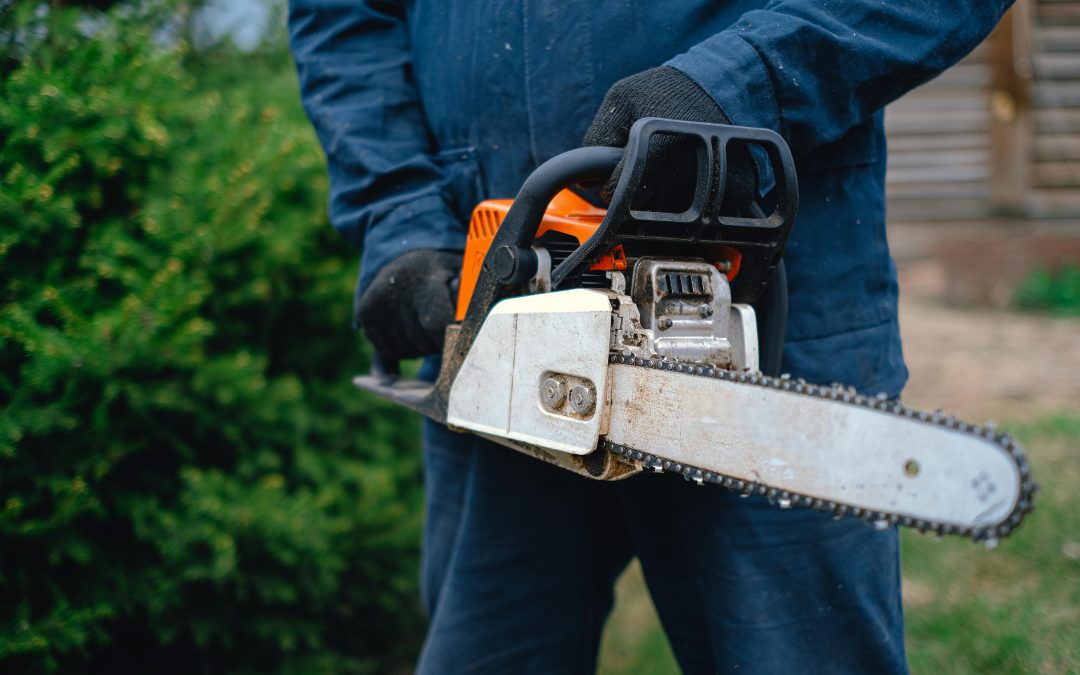
- Chainsaws for larger branches, used with proper training
- Protective gear like gloves, helmets, and eye protection
For large or high-risk trees, hiring a certified arborist is the safest option.
Hiring Professionals
While some seasonal tasks can be done by homeowners, many require professional expertise. Certified arborists have the knowledge and equipment to:
- Conduct detailed tree risk assessments
- Prune large or hazardous branches safely
- Diagnose and treat diseases or pest infestations
- Plan long-term tree health and property safety
Professional care ensures your trees are well-maintained without unnecessary risk.
Benefits of Regular Maintenance
Investing in seasonal tree maintenance for safety provides many advantages:
- Reduces the risk of injury or property damage
- Promotes tree health and longevity
- Prevents costly emergency repairs
- Enhances property value and curb appeal
Regular attention saves time and money while ensuring a safe outdoor environment.
Practical Tips for Homeowners
Even without professional help, homeowners can take practical steps:
- Schedule inspections at least four times a year
- Keep an eye on weather forecasts for storm preparedness
- Remove small dead branches before they become dangerous
- Educate family members about safe practices around trees
Consistency is key to keeping trees and property safe year-round.
Final Thoughts
Trees are valuable assets that bring beauty and comfort to any property. However, they can become dangerous if neglected. Seasonal tree maintenance for safety is not just about aesthetics; it is about protecting lives, property, and the long-term health of your trees.
By following a seasonal routine, watching for warning signs, and knowing when to call a professional, you can enjoy your trees safely throughout the year. Taking these steps today prevents problems tomorrow and ensures your outdoor spaces remain beautiful and secure.