
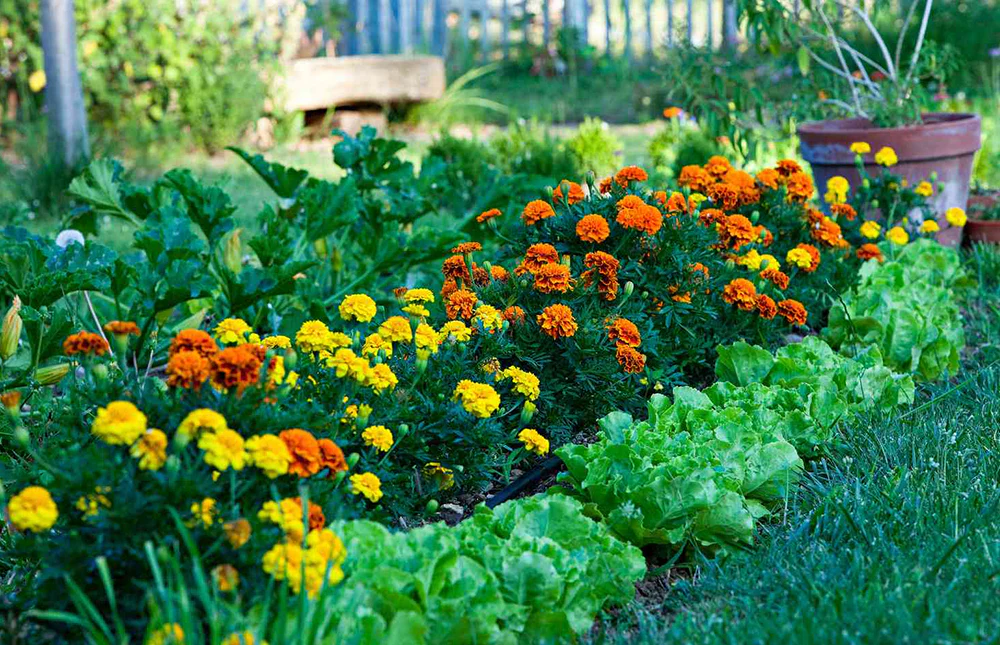
Edible landscaping is a creative way to blend aesthetics and functionality in your garden by incorporating plants that are both beautiful and produce food. This approach not only enhances the visual appeal of your yard but also provides fresh, homegrown produce. Here’s how to integrate edible plants into your landscape design:
1. Choose Attractive Edibles
Select edible plants that are visually appealing. Many fruits, vegetables, and herbs have beautiful foliage, flowers, and structures. For example, rainbow chard, purple basil, and nasturtiums can add color and texture to your garden.
2. Combine Edibles with Ornamentals
Mix edible plants with ornamental ones to create a cohesive design. Edibles like kale, lettuce, and strawberries can be planted alongside flowers and shrubs. This integration can enhance the aesthetics while providing a bounty of fresh produce.
3. Create Functional Borders and Hedges
Use edible plants to create borders, hedges, and privacy screens. Blueberry bushes, rosemary, and dwarf fruit trees can serve as attractive and productive alternatives to traditional hedging plants.
4. Vertical Gardening
Maximize space by growing edible plants vertically. Trellises, arbors, and wall-mounted planters can support climbing vegetables like beans, peas, and cucumbers. This technique is especially useful for small gardens and urban spaces.
5. Plan for Seasonal Interest
Choose a variety of plants that provide interest throughout the seasons. For instance, spring can showcase flowering fruit trees, summer can bring vibrant tomatoes and peppers, and fall can feature colorful squashes and pumpkins.
6. Incorporate Containers
Use containers to grow herbs, salad greens, and compact vegetables. Containers can be placed on patios, balconies, or as focal points within garden beds. They offer flexibility and can be moved to optimize sunlight exposure.
7. Functional Garden Features
Incorporate functional features like raised beds, herb spirals, and edible ground covers. Raised beds can be designed to complement your garden layout, while herb spirals provide a unique and space-efficient way to grow a variety of herbs.
Edible landscaping combines beauty and utility, allowing you to enjoy a visually appealing garden while reaping the benefits of fresh, homegrown food.