
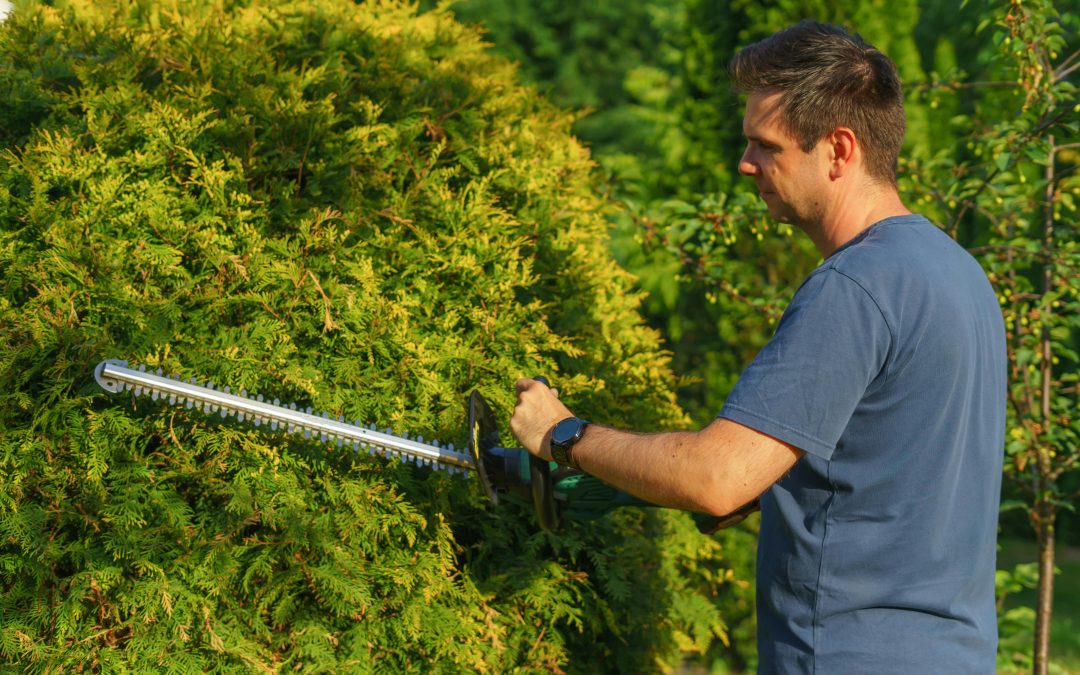
Trees add beauty, shade, and value to a property, yet many people are unsure how to care for them properly. A neglected tree can become unhealthy or even dangerous, while poor maintenance practices can cause long term damage. The good news is that learning how to maintain healthy trees safely is not complicated when you understand a few core principles and know when to step back and ask for help.
Why Tree Health and Safety Go Hand in Hand
Healthy trees are safer trees. When trees are stressed, diseased, or improperly pruned, they are more likely to drop branches or fail during storms. According to the US Forest Service, well maintained urban trees can increase property values by up to 10 percent while also reducing risks related to falling limbs.
Tree care is not only about appearance. It is about protecting people, homes, and the tree itself.
Start With Understanding Your Trees
Every tree species has different needs. Some thrive in full sun, while others prefer shade. Some tolerate drought, while others require consistent moisture.
Before taking action, consider:
- The type of tree you have
- Its age and size
- Its location near structures or power lines
- Visible signs of stress or disease
Understanding these basics helps you make safer and more effective decisions.
Proper Watering Makes a Bigger Difference Than You Think
Watering is one of the most common areas where tree care goes wrong. Too much water can suffocate roots, while too little can weaken the tree over time.
Safe watering tips include:
- Water deeply rather than frequently
- Focus water near the root zone, not the trunk
- Adjust watering during extreme heat or drought
The Arbor Day Foundation notes that mature trees often need less frequent watering than young trees, yet when they are watered, it should reach deeper roots to encourage stability.
Mulching the Right Way Supports Tree Health
Mulch is one of the simplest tools for maintaining healthy trees, yet it is often used incorrectly. Piling mulch against the trunk can trap moisture and invite pests.
Correct mulching practices include:
- Applying mulch in a wide, shallow ring
- Keeping mulch several inches away from the trunk
- Using organic materials like wood chips or bark
Mulch helps regulate soil temperature, retain moisture, and reduce competition from grass, all while improving safety by supporting root health.
Pruning With Purpose and Caution
Pruning is essential for tree health, but it is also one of the most dangerous tasks if done improperly. Incorrect cuts can weaken branches or invite disease.
Safe pruning guidelines include:
- Removing dead or damaged branches promptly
- Avoiding heavy pruning during active growth seasons
- Using clean, sharp tools
According to the International Society of Arboriculture, improper pruning is one of the leading causes of long term tree damage. Knowing your limits is part of learning how to maintain healthy trees safely.
Know When Not to Prune
Not every branch that looks inconvenient should be removed. Over pruning stresses trees and reduces their ability to produce energy.
Avoid pruning when:
- More than 25 percent of the canopy would be removed
- Branches are near power lines
- The tree shows signs of disease or instability
In these situations, professional guidance is the safest choice.
Watch for Signs of Tree Stress or Disease
Trees often show warning signs before major problems occur. Catching issues early makes treatment easier and safer.
Common warning signs include:
- Cracks in the trunk or large branches
- Mushrooms growing at the base
- Sudden leaf loss or discoloration
- Leaning that worsens over time
The USDA Forest Service emphasizes that early detection of disease or structural weakness can prevent property damage and costly removals.
Protect Roots During Yard Work
Tree roots are more fragile than many people realize. Construction, digging, or heavy equipment near trees can cause lasting damage.
Root protection tips include:
- Avoiding trenching near the base of trees
- Keeping heavy vehicles away from root zones
- Planning landscaping projects with tree roots in mind
Healthy roots anchor the tree and absorb nutrients, making them essential for both safety and longevity.
Storm Preparation and Tree Safety
Strong winds and storms put stress on trees, especially those already weakened. Preparing trees ahead of time reduces the risk of damage.
Helpful storm preparation steps include:
- Removing dead or hanging branches
- Checking for structural weaknesses
- Ensuring young trees are properly supported
Preventive care is far safer than dealing with fallen limbs after a storm.
Use the Right Tools and Protective Gear
When performing any tree maintenance, safety should come first. Falls and tool injuries are common during DIY tree work.
Basic safety measures include:
- Wearing gloves and eye protection
- Using stable ladders only when necessary
- Keeping tools well maintained
Never attempt to climb large trees or use chainsaws overhead without proper training.
When to Call a Professional Arborist
Some tree care tasks are simply not DIY friendly. Hiring a certified arborist protects both you and your trees.
Professional help is recommended when:
- Trees are near power lines or structures
- Large limbs need removal
- A tree shows signs of serious disease or decay
Certified arborists are trained to assess risk and perform work safely and responsibly.
Long Term Tree Care Is a Relationship
Tree care is not a one time task. It is an ongoing relationship that changes as the tree grows.
Long term habits include:
- Seasonal inspections
- Consistent watering during dry periods
- Adjusting care as trees mature
These small efforts add up to healthier, safer trees over time.
A Practical Takeaway for Tree Owners
Trees reward proper care with beauty, shade, and stability. Learning how to maintain healthy trees safely is about respecting both the tree and the risks involved. Simple practices like correct watering, careful pruning, and early problem detection go a long way.
When in doubt, choose caution over convenience. A healthy tree is not just a landscape feature. It is a living asset worth protecting for years to come.