
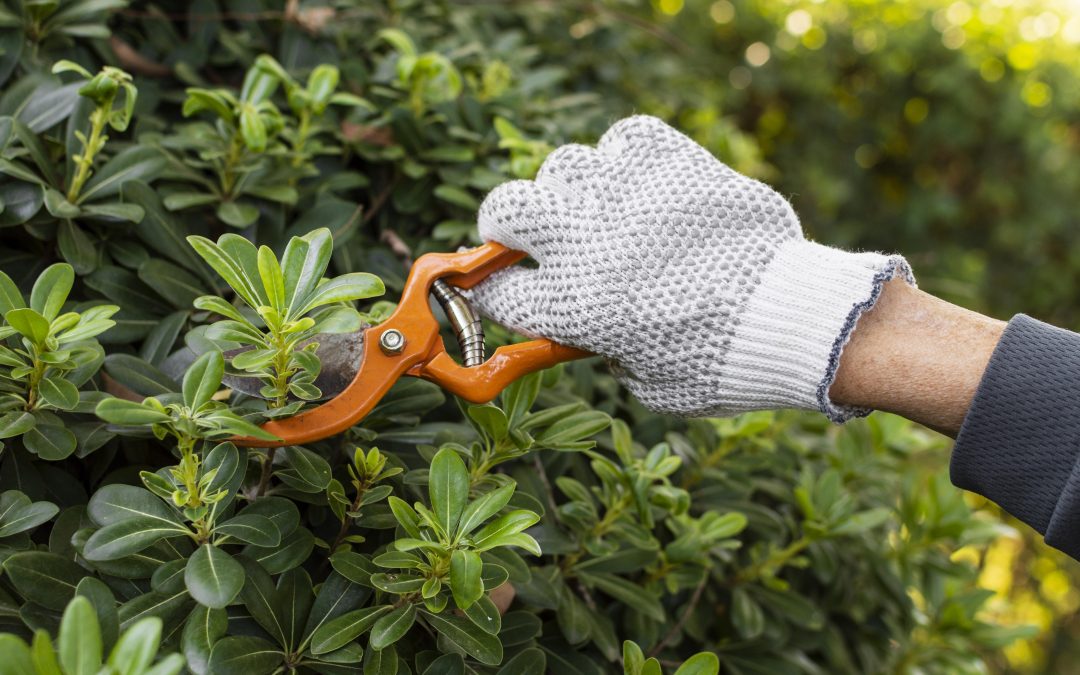
If you’ve ever looked at your backyard and wondered, “Should I be trimming that tree right now?” — you’re definitely not alone. Tree trimming can feel like a mystery to many homeowners. Trim too often and you risk harming growth. Trim too little and you might be looking at drooping branches, pests, or even safety hazards. So, let’s answer the big question: how often should you trim your trees?
The answer isn’t one-size-fits-all, but once you get a handle on the basics, it’s easier than you think.
Why Tree Trimming Matters More Than You Think
Tree trimming isn’t just about making your yard look tidy. It plays a critical role in:
- Promoting healthy growth
- Preventing disease or decay
- Improving sun exposure and air circulation
- Keeping branches away from power lines and roofs
- Enhancing the overall appearance of your landscape
According to the International Society of Arboriculture, regular pruning helps trees develop a strong structure and reduces the chance of limb failure.
General Rule of Thumb: Once Every 1–3 Years
As a general guideline, most mature trees should be trimmed every 3 to 5 years, while younger trees can benefit from more frequent attention — about every 1 to 2 years.
Here’s a quick breakdown by tree type:
Deciduous Trees (like maples, oaks, elms)
- Trim every 3–5 years
- Best time: Late winter or early spring before new growth starts
Evergreens (like pines, firs, spruces)
- Need much less trimming — sometimes only every 5–7 years
- Trim only to remove dead or hazardous branches
Fruit Trees
- Trim annually to maximize fruit production and sunlight exposure
- Best time: Late winter or early spring
Young Trees
- Shape every 1–2 years to encourage good structure and spacing
Warning Signs Your Tree Needs Trimming Sooner
Even if you’re on a regular schedule, some trees may need a little extra care in between. Keep an eye out for:
- Dead or broken branches
- Branches rubbing together
- Growth too close to your home or power lines
- Unusual leaning or heavy canopy weight
- Diseased or discolored limbs
If any of these pop up, it’s best to call in a professional. Sometimes it’s not about “how often should you trim your trees” — it’s about knowing when you can’t wait.
What Happens If You Skip Trimming?
Let’s just say — trees don’t “self-maintain.” Neglecting regular trimming can lead to:
- Safety hazards (falling limbs, especially in storms)
- Diseases spreading through crowded branches
- Reduced sunlight for grass or garden plants below
- Weaker structural integrity over time
Think of trimming like a wellness check for your tree. Skipping it for years at a time? You’re gambling with its long-term health (and possibly your property too).
Seasonal Tip: Avoid Summer and Fall Trims for Most Trees
Timing your trims is just as important as frequency. For most trees, late winter or early spring is ideal. Why? Because:
- Trees are still dormant (less stress)
- You can see the shape more clearly without leaves
- Cuts heal faster before pest and fungus season begins
Avoid heavy pruning in the heat of summer or during the fall, as it can attract pests or stunt next season’s growth.
DIY or Call a Pro?
Light maintenance like removing small dead branches is totally doable for most homeowners. But for:
- Large or tall trees
- Trees near power lines or roofs
- Visible signs of disease
…it’s safer and smarter to call a certified arborist. A 2022 report by Tree Care Industry Association found that over 70% of DIY tree trimming accidents involve falls from ladders — so it’s worth playing it safe.
Final Takeaway: How Often Should You Trim Your Trees?
Here’s the short version:
- Young trees: Every 1–2 years
- Mature deciduous trees: Every 3–5 years
- Evergreens: Every 5+ years or as needed
- Fruit trees: Once a year
And always stay alert for dead limbs or signs of trouble in between.
Tree care might seem like a chore, but when done right, it keeps your yard safe, beautiful, and thriving for years to come. So next time someone asks how often should you trim your trees, you’ll know exactly what to say — and when to get out those shears (or call in the pros).