
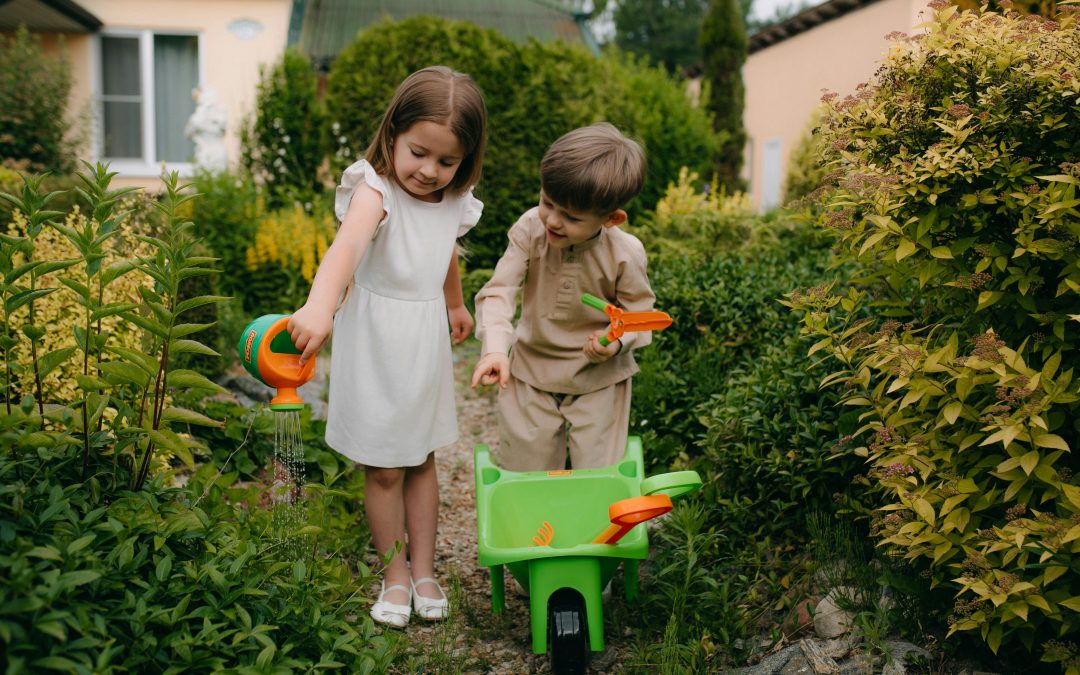
If you’ve ever seen the joy on a child’s face while digging in the dirt or watering a plant, you already know how magical gardening can be. Introducing a gardening theme for toddlers is a wonderful way to blend fun and learning while helping little ones connect with nature. Gardening offers hands-on experiences that build curiosity, patience, and responsibility—all while giving toddlers a chance to explore the world around them.
According to the University of Illinois Extension, children who engage in gardening activities tend to eat more fruits and vegetables and develop stronger environmental awareness. So whether you’re a parent, teacher, or caregiver, a gardening theme can be an enriching way to teach kids about growth, colors, and life cycles while keeping them entertained.
Why Choose a Gardening Theme for Toddlers
Gardening is a sensory-rich activity that appeals to toddlers because it engages their sight, touch, smell, and even taste. It also encourages movement, fine motor skills, and cooperation when done as a group activity.
When you introduce a gardening theme for toddlers, you’re giving them a natural classroom filled with opportunities to learn new words, count seeds, recognize colors, and understand how living things grow. Plus, it teaches patience—something even adults struggle with! Watching a tiny seed sprout after days of watering can feel like pure magic to a young child.
Setting Up a Toddler-Friendly Garden
You don’t need a big backyard to create a garden space for toddlers. Even a few pots or a small raised bed can do the trick. Here’s how to make it safe and inviting:
- Use child-sized tools: Toddler gardening sets with small shovels, rakes, and watering cans make it easy for little hands to join in.
- Choose soft, safe plants: Go for plants that are non-toxic and easy to grow, like sunflowers, marigolds, basil, or cherry tomatoes.
- Create low beds or containers: Raised beds at toddler height or colorful containers allow kids to reach the soil comfortably.
- Include sensory plants: Herbs like mint or lavender are great because they smell wonderful and encourage sensory exploration.
You can also decorate the garden with painted rocks, wind chimes, or handmade plant labels to make it feel more personal and exciting.
Fun Gardening-Themed Activities
There are so many creative ways to build a gardening theme for toddlers beyond simply planting seeds. Try some of these fun and educational ideas that blend art, science, and play:
1. Seed Sorting and Counting
Provide different kinds of seeds and let toddlers sort them by size, color, or type. This simple activity helps build fine motor skills and introduces basic math and classification concepts.
2. DIY Watering Station
Set up a watering station where kids can fill small cans and “water” potted plants. This teaches hand-eye coordination and responsibility while keeping them happily busy.
3. Nature Art Projects
Collect leaves, flowers, and twigs to make nature collages or leaf rubbings. You can also paint rocks to look like vegetables or bugs to place in the garden.
4. Read Gardening-Themed Books
Storytime can be part of the gardening experience. Books like Planting a Rainbow by Lois Ehlert or The Tiny Seed by Eric Carle are perfect for introducing gardening concepts in a playful way.
5. Create a Mini Greenhouse
Use a clear plastic container to start seedlings indoors. Toddlers will love watching tiny sprouts appear each day, reinforcing the idea that care and patience lead to growth.
Teaching Through Gardening
Gardening naturally integrates educational lessons without making it feel like “school.” When you design a gardening theme for toddlers, you’re also teaching them valuable life skills and early learning concepts such as:
- Science: Understanding the life cycle of plants, weather changes, and insects.
- Math: Counting seeds, measuring plant growth, and comparing sizes.
- Language: Learning new vocabulary like sprout, soil, bloom, and harvest.
- Responsibility: Remembering to water plants and take care of living things.
- Patience: Waiting for results and appreciating the process of growth.
Each of these lessons comes naturally through play, which is exactly how toddlers learn best.
Making Gardening Safe and Engaging
Safety should always come first when working with young children. Choose non-toxic plants and avoid fertilizers or chemicals. Encourage handwashing after gardening and use soft, lightweight tools. You can also keep an eye out for bugs or worms and use those moments to teach kids about helpful garden creatures.
Keeping sessions short is also important. Toddlers have short attention spans, so plan short bursts of activity—around 15 to 20 minutes at a time. Focus on letting them explore freely rather than aiming for perfection. The goal is discovery, not perfectly planted rows.
Indoor Gardening for Small Spaces
If outdoor space is limited, don’t worry! You can still enjoy a gardening theme for toddlers indoors. Try growing herbs in jars on a sunny windowsill or creating a tabletop garden using recycled containers. Microgreens or fast-growing sprouts are great indoor options because kids can see results within days.
Another idea is to use felt or paper craft gardens. You can make a “pretend garden” using construction paper flowers and toy vegetables for imaginative play when real gardening isn’t possible.
The Lasting Benefits of Gardening with Toddlers
The benefits of introducing a gardening theme go far beyond fun. Gardening teaches kids about nature, nutrition, and empathy for living things. It helps them feel connected to the environment and gives them a sense of pride when they see the results of their care.
According to a study published in the Journal of Environmental Psychology, gardening activities in early childhood can foster lifelong environmental awareness and healthier lifestyle habits. That’s a pretty great return for a few hours of digging and watering.
Final Thoughts: Growing Little Gardeners
A gardening theme for toddlers is about more than plants—it’s about growth, learning, and connection. It combines play, science, and creativity in a way that’s engaging and educational. With simple materials, safe tools, and a bit of patience, you can create an experience that encourages curiosity and joy in every little gardener.
So grab a few pots, some soil, and tiny hands ready to explore. You’ll be amazed at how much your toddlers will learn and grow—right alongside their plants.