
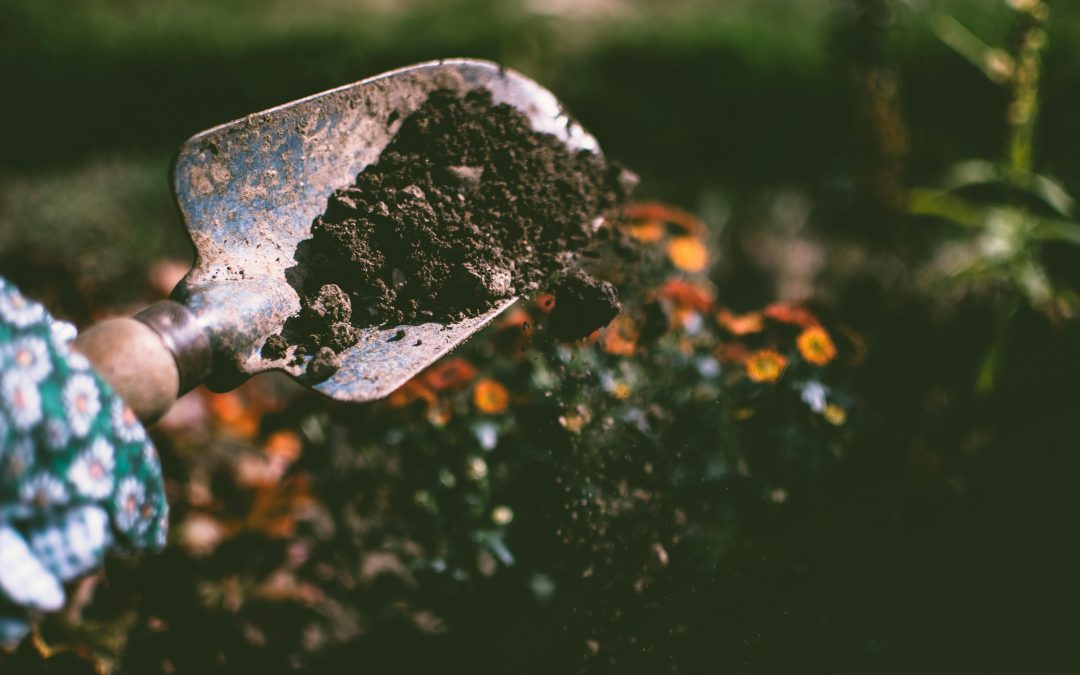
When the leaves start to fall and the mornings turn crisp, your garden is quietly telling you it’s time to wind down for the season. Fall isn’t just about pumpkin spice and cozy sweaters—it’s also the perfect time to prep your outdoor space for the cold ahead. And with the right fall garden clean up tips, you’ll be setting yourself up for an easier, healthier spring.
Let’s walk through 10 simple steps to help your garden finish strong and survive winter stress-free.
1. Rake Leaves—But Don’t Toss Them All
It’s tempting to rake up every last leaf and throw it in the bin, but fallen leaves can actually be useful. While thick layers of leaves on your lawn can suffocate the grass, a light layer can be shredded and used as mulch in flower beds or around shrubs.
Tip: Shred leaves with a mulching mower or blower to make a free, natural mulch that adds nutrients to your soil.
2. Remove Dead or Diseased Plants
Fall is the time to clear out spent vegetables, annuals, and any diseased or rotting plants. Leaving them in place could spread pests or fungal spores. Be sure to bag and dispose of any diseased materials—don’t compost them.
Healthy plant material, though? Add it to your compost pile.
3. Cut Back Perennials (But Not All)
Some perennials benefit from a tidy cutback in the fall, especially ones with blackened or mushy stems. But others—like ornamental grasses or coneflowers—can be left standing to provide winter interest and help local wildlife.
Bonus: birds love to snack on the seed heads during winter.
4. Clean Out Vegetable Beds
If you had a summer garden, give your veggie beds some love before winter sets in. Pull up old plants, remove any weeds, and turn the soil. You can also add compost or manure now to improve soil quality for spring planting.
According to the University of Minnesota Extension, fall is one of the best times to enrich your soil because it gives organic matter time to break down.
5. Edge and Tidy Garden Beds
Fall is a great time to redefine the edges of your flower beds or lawn. A clean edge keeps mulch and soil in place and gives your yard a neat look going into winter. It also makes spring cleanup easier.
6. Prune with Purpose
Avoid heavy pruning in the fall, especially on spring-flowering shrubs like lilacs or azaleas (you’ll be cutting off next year’s blooms). But it’s totally fine—and encouraged—to trim dead, damaged, or crossing branches on trees and shrubs now.
Focus on improving air circulation and removing anything that could cause winter breakage.
7. Mulch Your Beds
Mulching in the fall helps insulate plant roots from sudden freezes and thaws. It also prevents soil erosion and keeps weeds in check.
Use natural mulch like:
- Shredded leaves
- Pine needles
- Bark mulch
Aim for 2–3 inches of mulch around your plants, but keep it a couple inches away from stems to avoid rot.
8. Drain and Store Garden Hoses
Before temperatures drop too low, make sure to drain all your hoses and irrigation systems. Frozen water can expand and crack hoses or pipes, causing damage.
Also, don’t forget to:
- Shut off exterior water valves
- Store hoses in a shed or garage
9. Clean and Store Tools
Wipe down your garden tools, remove dirt, and oil any moving parts before putting them away for the season. Sharp tools are safer and easier to use—so fall is a great time to sharpen pruners, shears, and spades.
It’s also smart to clean pots, seed trays, and gloves so you’re ready to go in spring.
10. Plant Spring Bulbs and Garlic
Want a colorful surprise next year? Fall is the ideal time to plant bulbs like:
- Tulips
- Daffodils
- Crocuses
- Hyacinths
You can also plant garlic in late fall—just before the ground freezes. It’ll develop roots over winter and be ready to harvest next summer.
Final Thoughts
Taking care of your garden in the fall doesn’t have to be overwhelming. With these simple fall garden clean up tips, you’ll protect your plants, improve soil health, and enjoy a smoother spring start. Think of it like tucking your yard in for a long nap—you’ll thank yourself when the snow melts and your garden’s already halfway ready.