
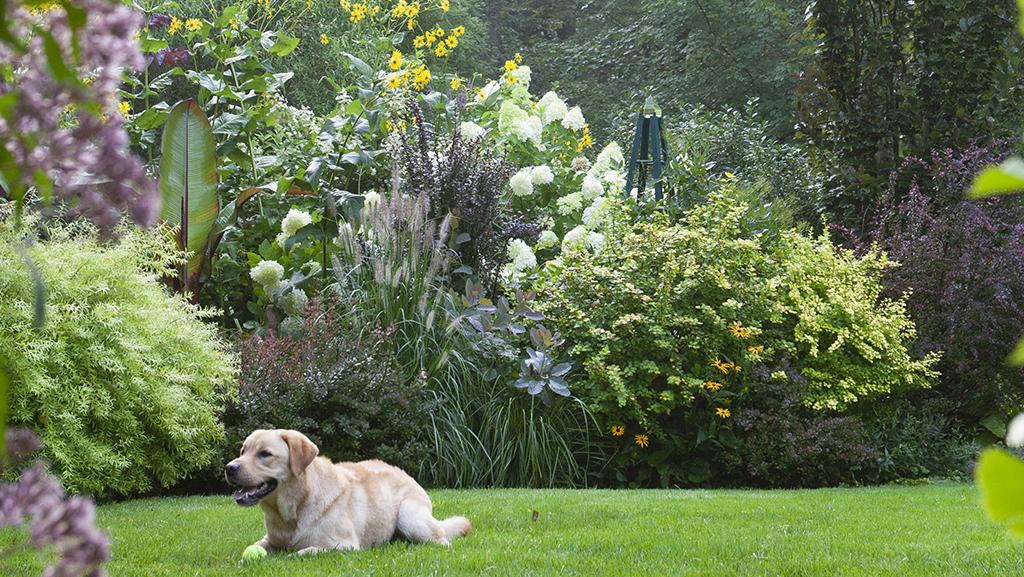
Creating a garden that is both beautiful and safe for pets involves thoughtful planning and design. A pet-friendly garden should provide a secure, stimulating environment where your furry friends can play and explore without risk. Here are some tips for designing a pet-friendly garden:
1. Choose Pet-Safe Plants
Ensure that all plants in your garden are non-toxic to pets. Avoid plants that are known to be harmful, such as lilies, azaleas, and foxglove. Instead, opt for pet-safe plants like marigolds, sunflowers, and snapdragons.
2. Secure Boundaries
Install secure fencing to keep your pets safely contained within your garden. The fence should be tall enough to prevent jumping and dug deep enough to prevent digging. Regularly inspect the fence for any gaps or damage.
3. Create Shaded Areas
Provide shaded areas where your pets can rest and cool off, especially during hot weather. Plant trees or install shade structures like pergolas or awnings to create comfortable, shady spots.
4. Designate a Digging Zone
If your dog loves to dig, designate a specific area where it’s allowed. Fill this area with loose soil or sand and bury toys or treats to encourage digging in the designated spot. This can help protect the rest of your garden from damage.
5. Provide Water Sources
Ensure your pets have access to fresh water at all times. Consider adding a pet-friendly water feature, such as a shallow fountain or a small pond with easy access points.
6. Use Pet-Friendly Mulch
Avoid using cocoa mulch, which can be toxic to dogs if ingested. Opt for pet-safe alternatives like pine, cedar, or rubber mulch. These materials are safer and still provide the benefits of traditional mulch.
7. Create Play Areas
Incorporate areas where your pets can run, play, and explore. Use durable materials like gravel or artificial turf to create pathways and play zones that can withstand heavy use.
8. Secure Garden Chemicals
Store all garden chemicals, including fertilizers, pesticides, and herbicides, in a secure location out of reach of pets. Consider using organic or pet-safe alternatives to minimize risk.
9. Install Pet-Friendly Features
Add features that cater to your pets’ needs, such as pet doors for easy access, sandboxes for digging, and agility equipment for exercise. These additions can make your garden more enjoyable for your pets.
By designing a pet-friendly garden, you can create a safe, enjoyable outdoor space for your furry friends while maintaining a beautiful landscape.