
If your trees look a little tired, aren’t growing like they used to, or seem more vulnerable to pests and drought—don’t panic. You might not need to remove or replace them. What you may need is something a bit deeper. Enter: deep root fertilization for trees.
This under-the-surface treatment can make a world of difference for tree health, especially in urban landscapes where soil isn’t as tree-friendly as it once was. Whether you’re a homeowner, property manager, or just someone who cares about your landscape, learning about this method could help you protect and preserve your trees for years to come.
Let’s dig in!
What Is Deep Root Fertilization?
Deep root fertilization is a specialized process where a nutrient-rich liquid fertilizer is injected directly into the root zone of a tree, typically 8–12 inches beneath the soil surface.
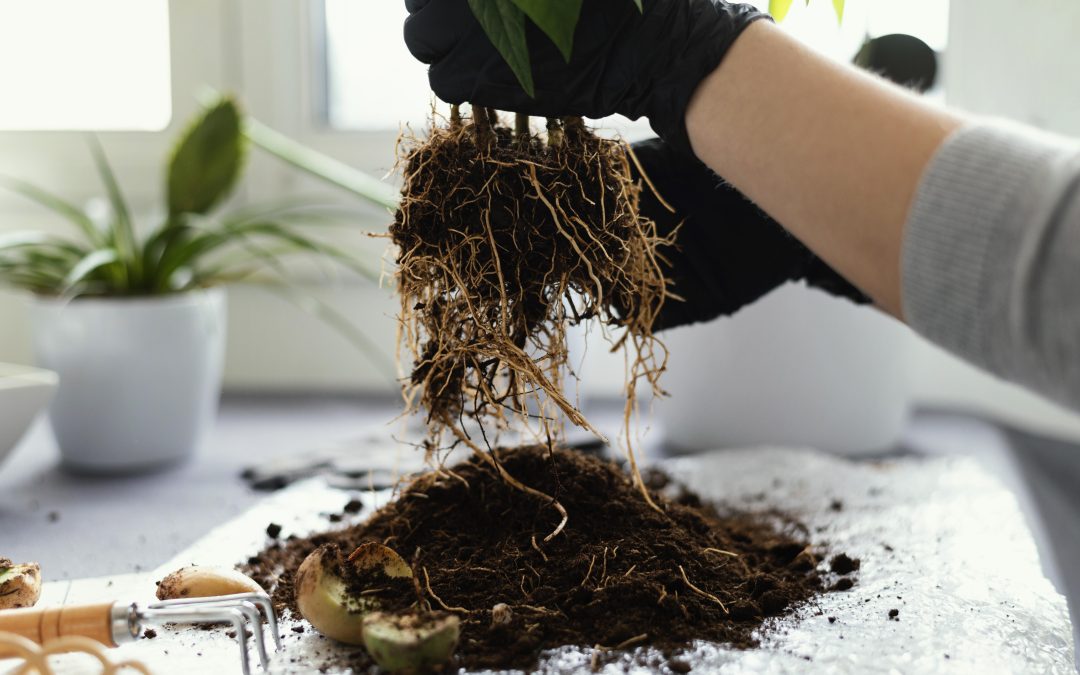
Why go so deep? Because that’s where the feeder roots live—the ones responsible for absorbing water and nutrients. Regular surface applications (like tossing down granular fertilizer) often don’t reach these roots, especially in compacted or dry soil. But deep root fertilization targets them directly, giving your trees exactly what they need, right where they need it.
Why Trees in Urban Areas Need Extra Help
In forests, trees thrive on a rich mix of decomposing organic matter, natural microbial activity, and plenty of root space. But in most urban or suburban yards, the soil is:
- Compacted by foot traffic or construction
- Low in organic matter
- Stripped of its natural nutrient cycle
- Subject to irregular watering
This makes it tough for trees to access nutrients and grow healthy root systems. That’s where deep root fertilization for trees comes in—it restores what nature intended.
The Benefits of Deep Root Fertilization for Trees
Here’s how this method helps trees thrive:
1. Improved Nutrient Uptake
By injecting nutrients directly into the feeder roots, trees absorb them more effectively. This leads to greener leaves, faster growth, and stronger limbs.
2. Stronger Resistance to Disease and Drought
Healthy roots mean healthier trees. Deep root fertilization boosts immune response, making trees more resilient against pests, fungus, and dry conditions.
3. Revitalization of Stressed or Mature Trees
If your tree has suffered from construction, disease, or just age, this treatment can help bring it back to life by recharging its root system.
4. Better Soil Aeration
The injection process naturally breaks up compacted soil, improving oxygen flow and promoting beneficial microbial activity underground.
5. Increased Longevity and Structural Stability
Trees with deep, well-fed roots anchor better into the soil, reducing the risk of falling during storms or high winds.
According to the International Society of Arboriculture, regularly fertilized trees can live up to 30% longer than unfertilized ones—especially in developed landscapes.
How Deep Root Fertilization Works
The process is pretty straightforward (for the professionals, at least):
- Assessment: An arborist or tree care professional inspects your tree’s health and soil condition.
- Custom Fertilizer Mix: Based on the tree species and deficiencies, a nutrient solution is tailored (often containing nitrogen, phosphorus, potassium, and micronutrients).
- Injection: Using a probe, the solution is injected into the soil in a grid pattern around the drip line of the tree.
- Follow-Up: The tree’s health is monitored, and treatments may be repeated annually or biannually depending on its needs.
It usually takes less than an hour and leaves no mess behind.
When Should You Consider Deep Root Fertilization?
You should consider this treatment if:
- Your trees have yellowing leaves, slow growth, or thinning canopies
- You live in an area with poor soil, like heavy clay or compacted ground
- Your property has experienced recent construction
- Your tree is recovering from disease or pest infestation
- You simply want to improve the long-term health and appearance of your trees
It’s best done in early spring or fall, when trees are not under stress from extreme heat or cold.
Can You Do It Yourself?
While there are DIY soil injectors available, this is one of those tasks that’s worth leaving to the pros. An arborist will know the right nutrient ratios, soil depths, and injection points based on your specific tree and soil type.
Plus, incorrect application can actually damage roots—or waste your money if it doesn’t reach the right depth.
Final Thoughts: Give Your Trees the Root Support They Deserve
If you care about the long-term health of your landscape, deep root fertilization for trees is one of the smartest proactive steps you can take. It’s like a wellness plan for your trees—nurturing them from the ground up, literally.
Trees are an investment in your property’s value, shade, beauty, and even air quality. With deep root fertilization, you’re helping them stand tall and strong for generations.