
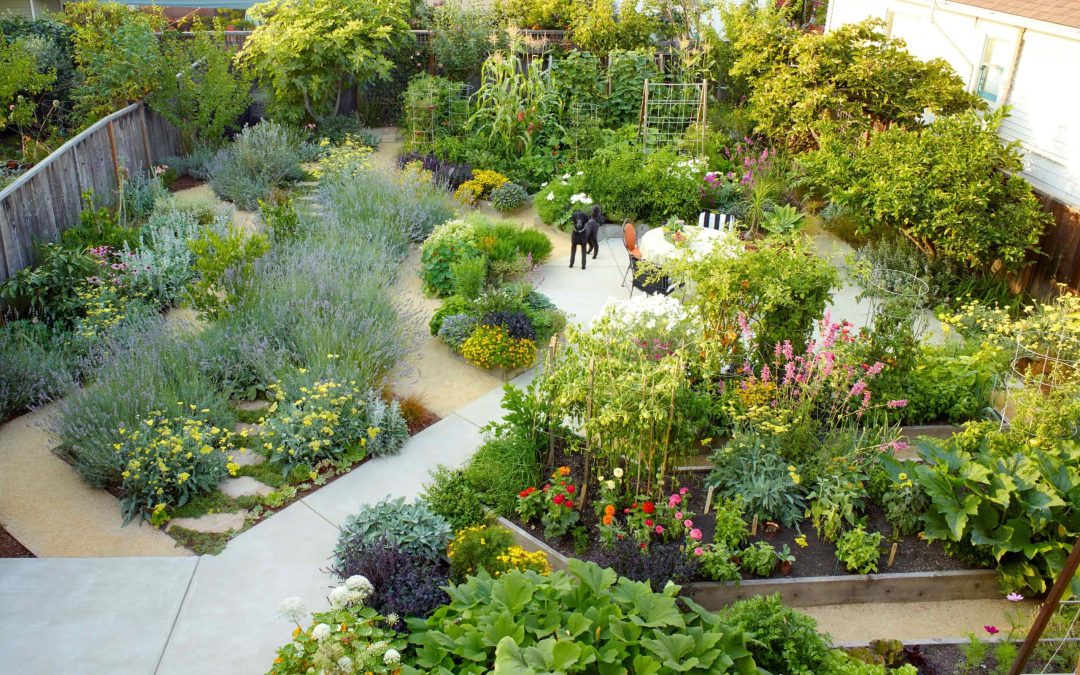
A sensory garden is designed to engage all five senses—sight, sound, smell, touch, and taste—providing a rich and immersive experience. These gardens are particularly beneficial for children, the elderly, and individuals with special needs, offering therapeutic and educational benefits. Here’s how to create a sensory garden in your outdoor space:
1. Visual Appeal
Incorporate a variety of colors, shapes, and textures to create a visually stimulating environment. Use plants with vibrant flowers, interesting foliage, and varying heights. Consider elements like garden art, water features, and pathways to enhance visual interest.
2. Sound
Integrate elements that produce soothing sounds. Water features such as fountains or small waterfalls create calming water sounds. Wind chimes, rustling grasses, and bird feeders can attract birds, adding natural sounds to the garden.
3. Smell
Choose plants with fragrant flowers and foliage to stimulate the sense of smell. Lavender, rosemary, jasmine, and roses are excellent choices. Place these plants along pathways or seating areas where their scents can be fully appreciated.
4. Touch
Incorporate plants and materials that invite touch. Soft, velvety leaves of lamb’s ear, feathery grasses, and textured bark provide a tactile experience. Smooth stones, rough bark mulch, and water features also add to the sensory experience.
5. Taste
Include edible plants that can be tasted. Herbs like mint, basil, and thyme, as well as fruits and vegetables, can be planted in accessible areas. This not only engages the sense of taste but also adds a functional aspect to the garden.
6. Accessibility
Ensure that the garden is accessible to everyone, including those with mobility issues. Wide, even pathways, raised beds, and seating areas make it easier for all visitors to enjoy the sensory garden.
7. Interactive Elements
Add interactive elements that encourage exploration and engagement. Sensory paths with different textures, garden sculptures, and interactive water features can make the garden more engaging and enjoyable.
Creating a sensory garden is a wonderful way to provide a multi-sensory experience that delights all visitors and offers numerous therapeutic benefits.