
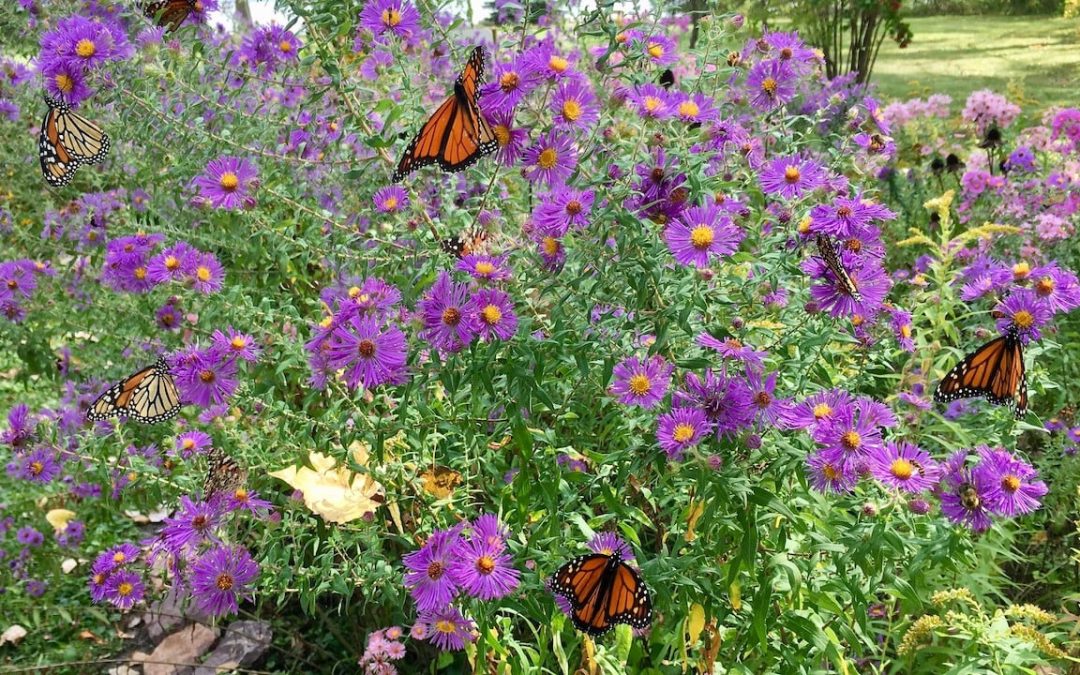
Butterfly gardens are a delightful way to enhance your outdoor space while supporting local ecosystems. These gardens provide essential habitats for butterflies, offering them food, shelter, and breeding grounds. Here are some tips to create a vibrant butterfly garden:
1. Choose the Right Plants
Select nectar-rich flowers that bloom at different times throughout the year to provide a continuous food source. Some popular choices include milkweed, coneflowers, lantana, and butterfly bush.
2. Host Plants
Include host plants where butterflies can lay their eggs. Caterpillars feed on these plants before they transform into butterflies. Common host plants include milkweed (for monarchs), parsley, and fennel (for swallowtails).
3. Create Sunlit Areas
Butterflies are cold-blooded and need sunlight to regulate their body temperature. Designate sunny spots in your garden where butterflies can bask and warm up. Flat stones can provide ideal basking spots.
4. Provide Water Sources
Butterflies need water, too. Create shallow puddles or place dishes filled with wet sand or gravel in your garden. These puddling areas offer a place for butterflies to drink and extract minerals.
5. Avoid Pesticides
Avoid using pesticides in your butterfly garden, as they can be harmful to butterflies and other beneficial insects. Opt for organic and natural pest control methods to keep your garden safe for butterflies.
6. Add Shelter
Provide shelter from wind and predators by planting dense shrubs or creating windbreaks with fences or hedges. This gives butterflies a safe place to rest and seek protection.
7. Create a Diverse Habitat
Diversity is key to attracting a variety of butterfly species. Include a mix of flowering plants, grasses, and shrubs to create a multi-layered habitat that caters to different butterfly preferences.
By following these tips, you can create a beautiful and thriving butterfly garden that attracts and supports these enchanting pollinators.